How to Plant a Lavender Hedge (The Ultimate Guide for Borders and Slopes)
How to Plant a Lavender Hedge
(The Ultimate Guide for Borders and Slopes)
If you are looking for a unique, breathtaking alternative to standard green privacy walls, a lavender hedge is the ultimate choice. Planting a long, continuous line of lavender along your fence, pathways, or property boundaries does much more than just frame your landscape with stunning purple blooms.
A dense lavender perimeter fills your garden with a luxurious aroma, attracts thousands of essential pollinators, and acts as a powerful, natural deterrent against unwanted wildlife and pests who absolutely hate its intense scent.
However, planting a long lavender line—especially if your property sits on a slope or near a forested area—requires a specific strategy to ensure every single plant thrives. In this expert guide, we will cover everything from selecting the right varieties to managing sloped terrain and maximizing your summer harvest.
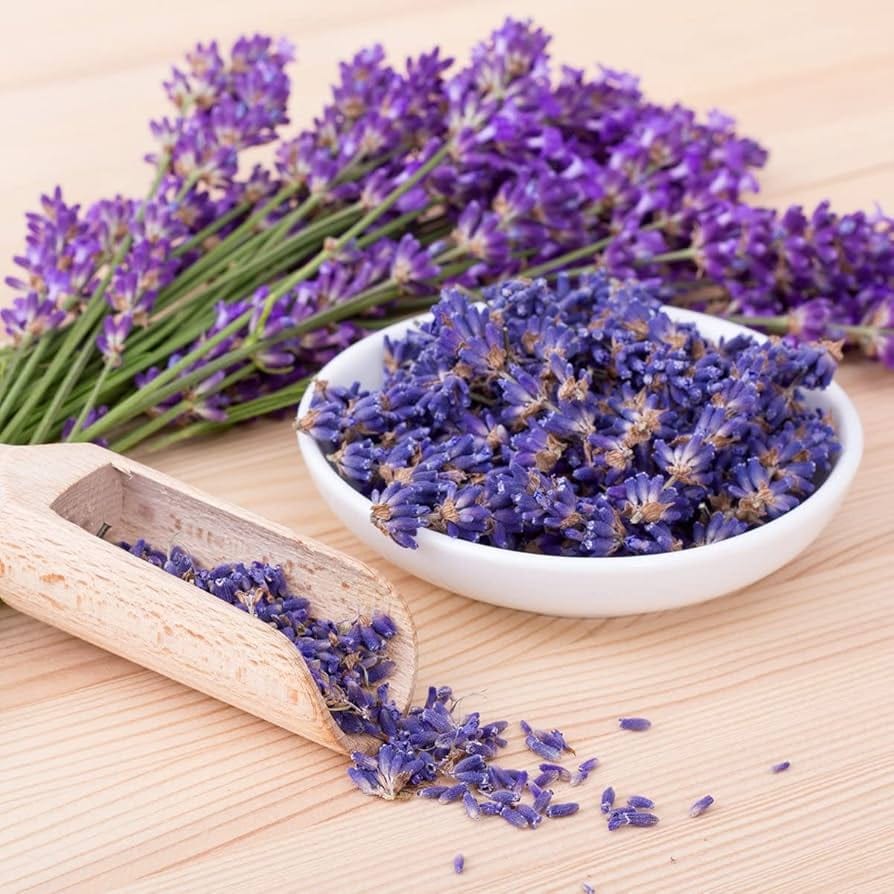
The Best Lavender Varieties for a Living Hedge
Not all lavender plants are created equal. To build a cohesive, dense, and uniform hedge, you need to choose varieties that grow upright and handle pruning well:
English Lavender (Lavandula angustifolia): Famous for varieties like Munstead and Hidcote. These are incredibly hardy, have the sweetest fragrance, and are perfect for compact, neat, low-to-medium hedges (around 1 to 2 feet tall).
French/Hybrid Lavender (Lavandula x intermedia): Varieties like Grosso or Phenomenal grow much larger and faster. They produce long, dramatic flower spikes and are ideal if you want a taller, robust hedge (up to 3 feet tall) that yields a massive amount of buds for oil distillation.
🏔️ How to Manage Slopes and Difficult Terrains
If your garden or property is on a slope, you actually have a massive natural advantage: lavender loves perfect drainage. Lavender roots will rot and die quickly if they sit in soggy, wet soil. A slope naturally allows excess rainwater to run off.
However, planting on a hill comes with two challenges: soil erosion and uneven watering. Here is how to tackle them like a professional:
1. Create Mini-Terraces (Planted Pockets)
When digging your planting line along a slope, do not just dig a straight ditch. Instead, create individual, flat "pockets" or mini-terraces for each lavender plant. This prevents the topsoil and nutrients from washing away during heavy rainstorms.
2. Pair with Smart Drip Irrigation
As we analyzed in our equipment setup guides, gravity causes water to rush to the bottom of a hill. Always pair your long lavender line with Pressure-Compensating (PC) drip emitters. This ensures the lavender at the very top of your slope gets the exact same amount of moisture as the ones at the bottom, leading to a perfectly uniform, gap-free hedge.
📐 Spacing and Planting Your Lavender Line
To get that seamless, dense "woven" look where individual plants merge into a solid purple hedge, spacing is critical:
The Golden Spacing Rule: Space your lavender plugs or cuttings 12 to 18 inches (30–45 cm) apart. If you plant them further apart, they will look like isolated bushes rather than a continuous hedge.
Soil Preparation: Dig a hole twice as wide as the root ball. If you have heavy clay soil, mix in plenty of coarse sand or fine gravel to guarantee sharp drainage. Add a handful of organic compost to give the young roots a steady start.
Sunlight is Non-Negotiable: Lavender needs a minimum of 6 to 8 hours of full, direct sunlight daily. Do not plant your hedge under the deep shade of large forest trees.
✂️ Pruning for a Dense, Non-Woody Hedge
The biggest mistake beginners make is letting their lavender grow freely without cutting it back. Within two years, the base turns into ugly, bare, grey wood, and the hedge splits open.
Year One: Trim the tips of young plants early in the spring to encourage aggressive horizontal branching.
The Annual Cut: Every year in late summer (right after the flowers fade), prune your entire hedge back by about one-third. Cut into the green leafy growth, but never cut back into the old, leafless woody stems, as they will not regenerate.
Harnessing the Harvest: From Hedge to Essential Oils
A spectacular bonus of managing a long lavender line (such as a 150-meter perimeter) is the sheer volume of high-yield flowers you can harvest every single July.
This abundant harvest is the perfect raw material for crafting homemade herbal remedies, soothing cosmetics, or extracting 100% pure, therapeutic-grade essential oils using a simple copper home distillation setup.
Ready to Plant Your Purple Sanctuary?
Whether you are building a low border for a sunny pathway or securing a long, sloped fence line, starting your lavender hedge this season is a beautiful investment that pays off in scent, color, and wildlife protection.
Find the best certified lavender plants, hardy seeds, and premium soil amendments tailored to your specific zone:
Growing Beauty, Everywhere



Growing Beauty, Everywhere
We help you find the best flower bulbs, seeds, and tools — tailored to your region.
Get your free updates & seasonal planting guides:
This website complies with GDPR
(EU General Data Protection Regulation)
Affiliate Disclosure:This site uses affiliate links. If you make a purchase through these links, we may earn a small commission at no additional cost to you. We only recommend products we trust.
Copyright EUFiori © 2026 All rights reserved. Email