Seed Starting for Beginners: The Ultimate Organic Gardening Guide
Seed Starting for Beginners: The Ultimate Organic Gardening Guide
There is something profoundly rewarding about watching a tiny, dry seed transform into a lush, productive plant. Starting your own plants from seeds gives you access to thousands of unique heirloom varieties that you will never find at a local commercial nursery. Plus, it is incredibly budget-friendly.
However, planting seeds organically requires more than just throwing them into some backyard dirt and hoping for the best. The early life stages of a plant are delicate. Without the correct soil texture, clean moisture control, and proper lighting, young seedlings can easily fall victim to diseases like damping-off.
In this ultimate organic guide, you will learn the step-by-step process of starting seeds indoors, creating your own chemical-free soil mix, and nurturing your organic seedlings until they are ready for the outdoor garden.
🍃 Why Choose Organic Seed Starting?
When you grow organically from day one, you are building a stronger, more resilient plant. Chemical fertilizers often force seedlings to grow too fast, resulting in weak, elongated, and watery stems that snap under stress.
Organic practices focus on feeding the soil biology, allowing the seedling to develop a robust, dense, and naturally disease-resistant root system.
🛠️ The Essential Indoor Seed Starting Toolkit
To guarantee a high germination rate, you need a few core supplies. Investing in the right gear now will save you from failed batches later:
Seed Trays with Humidity Domes: Standard plastic cell trays with clear covers trap ambient moisture, creating a miniature greenhouse effect that speeds up germination.
Organic Seed Starting Mix: Never use standard heavy garden soil for pots. You need a light, fluffy, and sterile medium that allows delicate roots to breathe.
Seedling Heat Mat: Most seeds (especially warm-weather crops like tomatoes, peppers, and lavender) need a consistent soil temperature of 70°F to 80°F (21°C to 27°C) to wake up. An electric heat mat placed under your trays works wonders.
LED Grow Lights: Window light is rarely strong enough in early spring. To prevent your seedlings from becoming tall, skinny, and "leggy," position an adjustable LED grow light just 2 inches above the plant tops.
🧪 DIY Recipe: The Perfect Organic Seed Starting Mix
Commercial seed mixes can be expensive and sometimes contain synthetic wetting agents. You can easily blend your own professional-grade, 100% organic mix at home using three simple ingredients:
📝 The 3-Ingredient Organic Recipe:
2 Parts Coconut Coir or Peat Moss: This forms the fluffy base that retains water perfectly without waterlogging.
2 Parts Perlite or Vermiculite: These volcanic mineral puffs create air pockets in the mix, ensuring sharp drainage so roots don't rot.
1 Part Organic Worm Castings: The ultimate gentle, non-burning organic fertilizer that feeds your young seedlings with beneficial microbes.
📐 Step-by-Step: From Seed to Seedling
Step 1: Pack and Moisten
Fill your seed trays with your organic mix. Press it down gently to remove large air pockets, but do not compact it tightly. Water the mix before planting the seeds. It should feel like a wrung-out sponge—damp, but not muddy.
Step 2: The Depth Rule
As a universal law, plant your seeds at a depth equal to two to three times their width. Tiny seeds (like oregano or lavender) should barely be dusted with soil, while larger seeds (like beans or squash) can go half an inch deep. Cover the tray with your clear humidity dome.
Step 3: Manage the Germination Window
Place the tray on your heat mat. At this stage, seeds do not need light, they only need warmth and moisture. The moment you see the very first green loops break through the soil surface, remove the humidity dome immediately and turn on your LED grow lights for 14–16 hours a day.
Step 4: The Bottom-Watering Trick
Never blast your delicate young seedlings with a heavy watering can from above; you will wash them away or break their stems. Instead, pour water directly into the solid outer bottom tray. The soil will naturally suck the moisture upward through the bottom holes via capillary action, keeping the stems dry and the roots perfectly hydrated.
🍂 Hardening Off: The Journey Outdoors
You cannot take a seedling that has spent its whole life in a warm, protected indoor room and plant it straight into the outdoor ground. The sun and wind will shock and kill it within hours.
Two weeks before transplanting, begin the "hardening off" process. Place your seedling trays outdoors in a sheltered, shady spot for 1 hour on day one. Slowly increase their outdoor time and exposure to direct sunlight by 1 hour each day. After 7 to 10 days, your organic plants will be tough enough to handle the outdoor elements permanently.
Ready to Start Sowing Your Organic Garden?
Mastering the art of seed starting is the ultimate liberation for an organic gardener. It gives you complete control over your food and flower production from the very first breath of life.
Ready to select your certified organic heirloom seeds, sterile starting mixes, and premium grow lights? Choose your region to find the best materials for your setup:
Why Your Seeds Are Not Germinating:
A Beginner’s Guide to Successful Seed Starting
Have you planted seeds… but nothing grows?
Seed germination can feel confusing and frustrating for beginners. One small mistake with watering, soil, temperature, or planting depth can stop seeds from sprouting successfully.
This beginner-friendly guide is designed to help you understand exactly why seeds fail to germinate—and how to fix the problem step-by-step.
Whether you are growing vegetables, herbs, flowers, or indoor plants, this eBook offers simple, practical solutions that work.
Growing Beauty, Everywhere




Growing Beauty, Everywhere
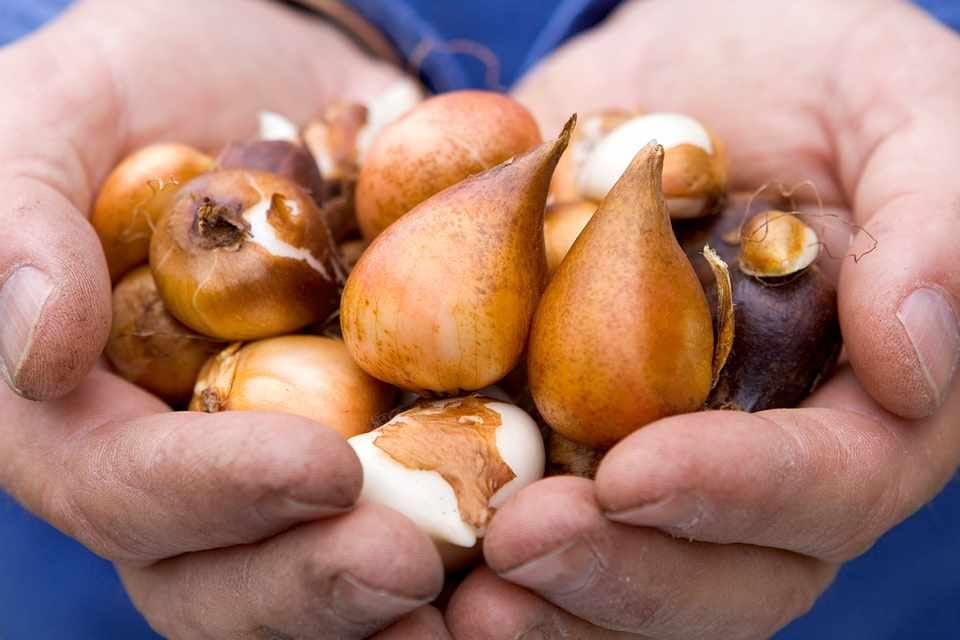
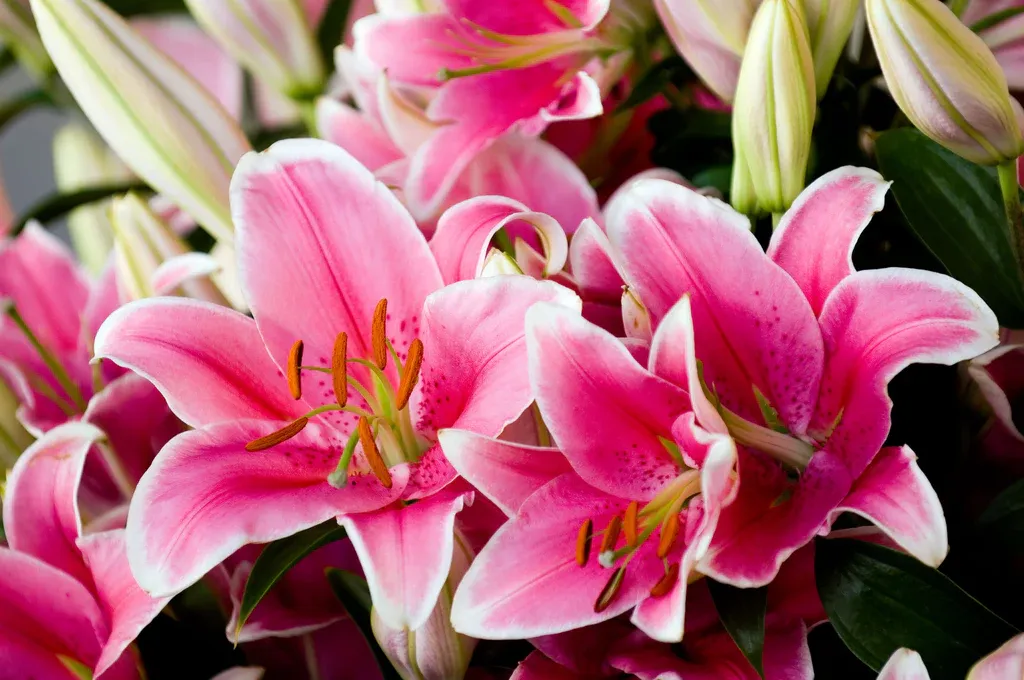
We help you find the best flower bulbs, seeds, and tools — tailored to your region.
Get your free updates & seasonal planting guides:
This website complies with GDPR
(EU General Data Protection Regulation)
Affiliate Disclosure:This site uses affiliate links. If you make a purchase through these links, we may earn a small commission at no additional cost to you. We only recommend products we trust.
Copyright EUFiori © 2026 All rights reserved. Email