Growing Hyacinths in Pots: Complete Container Gardening Guide
Growing Hyacinths in Pots:
Complete Container Gardening Guide
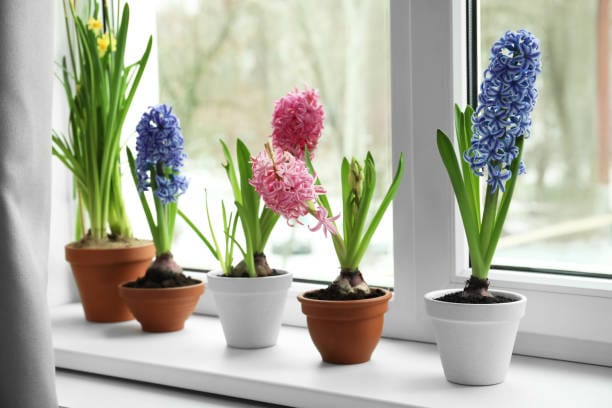
Hyacinths are one of the best spring bulbs for growing in containers.
Their compact size, beautiful colors, and incredible fragrance make them perfect for:
balconies;
patios;
terraces;
window boxes;
small gardens;
indoor displays.
Growing hyacinths in pots is also an excellent solution for gardeners who have limited outdoor space.
With the right container, soil, and planting technique, anyone can enjoy a spectacular display of fragrant spring flowers.
Why Grow Hyacinths in Containers?
Container-grown hyacinths offer several advantages compared with planting directly in the garden.
Benefits include:
easier control of soil quality;
better drainage;
flexibility to move plants around;
beautiful seasonal decorations;
perfect option for apartments and balconies.
Because hyacinths naturally grow from compact bulbs, they adapt very well to container gardening.
Choosing the Right Pot for Hyacinths
The container you choose has a major impact on bulb health.
A good hyacinth pot should have:
drainage holes at the bottom;
enough depth for root growth;
enough width for multiple bulbs.
Recommended container depth:
minimum 15 cm (6 inches);
ideally 20 cm (8 inches) or deeper.
Avoid containers without drainage because excess water can quickly cause bulb rot.
How Many Hyacinth Bulbs Should You Plant in One Pot?
For a fuller display, plant several bulbs together.
Examples:
Small pot:
1–3 bulbs
Medium container:
5–7 bulbs
Large bowl planter:
8–12 bulbs
When planting in containers, bulbs can be placed slightly closer together than in garden beds.
However, they should not touch each other.
Best Soil Mix for Potted Hyacinths
Hyacinths grown in containers need a light, well-draining soil mixture.
A good mix includes:
quality potting soil;
compost;
perlite or coarse sand for drainage.
The goal is to retain enough moisture while allowing excess water to escape.
Heavy garden soil is usually not recommended for pots because it can become compacted.
How to Plant Hyacinths in Pots Step by Step
Step 1: Prepare the Container
Place a layer of soil in the bottom of the pot.
Make sure drainage holes are clear.
Step 2: Position the Bulbs
Place bulbs with the pointed end facing upward.
Arrange them closely together for a dramatic display.
Step 3: Cover With Soil
Cover bulbs with soil, leaving the tips slightly below the surface.
Water gently after planting.
Step 4: Provide a Cold Period
Like garden-grown hyacinths, container-grown bulbs need winter chilling before flowering.
Place pots in a cool location where temperatures remain approximately:
4–10°C (40–50°F)
for several weeks.
Growing Hyacinths Indoors: Forcing Hyacinth Bulbs
One of the most fascinating ways to enjoy hyacinths is forcing them indoors.
"Forcing" means encouraging bulbs to flower earlier than they naturally would outdoors.
This allows gardeners to enjoy fragrant hyacinth blooms during:
winter;
Christmas season;
early spring.
How Does Hyacinth Forcing Work?
Hyacinth bulbs contain everything needed to produce flowers.
They only need the correct conditions:
A cold period.
Root development.
Gradual exposure to warmer temperatures.
Light.
After this process, the bulb produces a beautiful indoor flower display.
How to Force Hyacinths in Pots
A simple forcing process:
Step 1: Plant Bulbs in Autumn
Plant bulbs in containers using well-draining soil.
Leave the bulb tips slightly visible above the soil.
Step 2: Chill the Pots
Place containers in a dark, cool location.
Suitable places include:
unheated garage;
basement;
cold frame;
sheltered outdoor area.
Step 3: Move Indoors
After the chilling period, bring the pot indoors.
Place it in a bright but cool room.
Avoid placing it immediately next to strong heat sources.
Step 4: Enjoy the Flowers
Within several weeks, the flower spike will develop and fill your home with fragrance.
Growing Hyacinths in Water (Hyacinth Glass Vase)
Hyacinths can also be grown without soil using special bulb vases.
This traditional method is especially popular because the developing roots can be seen through the glass.
The process involves:
placing the bulb above the water;
allowing roots to grow downward;
keeping the bulb itself dry.
The bulb should not sit directly in water because this can cause rotting.
🌸 Expert Tip
Hyacinths are one of the best bulbs for indoor fragrance.
Place them near entrances, kitchen windows, or living areas where their perfume can be enjoyed every day.
Best Places for Indoor Hyacinths
Indoor hyacinths perform best in:
bright rooms;
cooler temperatures;
areas away from radiators and heating vents.
Cooler conditions usually create stronger stems and longer-lasting flowers.
Garden Academy Note
Growing hyacinths in pots opens a completely new world of possibilities—from balcony gardens to beautiful winter indoor displays.
In the next section, we will explore the different hyacinth varieties and colors, helping you choose the perfect bulbs for your garden or home.
Continue Your Spring Bulb Academy
Explore more guides:
🌷 The Complete Guide to Tulip Bulbs
🌷 When To Plant Tulip Bulbs: Complete Guide for US and UK Gardeners
🌷 Common Tulip Growing Problems
🌸 How to Grow Hyacinths
🌸 Best Hyacinth Varieties
🌸 Hyacinths After Flowering
Hyacinths vs Tulips: Differences, Growing Guide and Which Spring Bulb Is Better
Growing Beauty, Everywhere


Growing Beauty, Everywhere
We help you find the best flower bulbs, seeds, and tools — tailored to your region.
Get your free updates & seasonal planting guides:
This website complies with GDPR
(EU General Data Protection Regulation)
Affiliate Disclosure:This site uses affiliate links. If you make a purchase through these links, we may earn a small commission at no additional cost to you. We only recommend products we trust.
Copyright EUFiori © 2026 All rights reserved. Email