15 Common Tulip Problems & How to Fix Them: Care Guide
Common Tulip Growing Mistakes:
15 Problems and How to Fix Them
Tulips are among the most loved spring flowers in the world, but even experienced gardeners can sometimes struggle with growing them successfully.
You may plant healthy bulbs, follow the instructions, and still face problems:
tulips do not bloom;
leaves turn yellow too early;
bulbs rot underground;
flowers become small;
stems fall over.
The good news is that most tulip problems have simple solutions.
This complete troubleshooting guide explains the most common tulip growing mistakes, why they happen, and how to fix them.
Quick Diagnosis: Common Tulip Problems
Problem Possible Cause Solution
Tulips not flowering Young bulbs, poor conditions Improve care and wait
Yellow leaves Natural aging or stress Check watering
Bulbs rotting Poor drainage Improve soil
Weak stems Lack of sunlight Move to sunnier location
Small flowers Old bulbs or overcrowding Replace or divide bulbs
Flowers damaged Weather or pests Protect plants



1. Tulips Are Not Blooming
One of the most common frustrations among gardeners is seeing healthy green leaves but no flowers.
Several factors can cause this problem.
Possible Causes
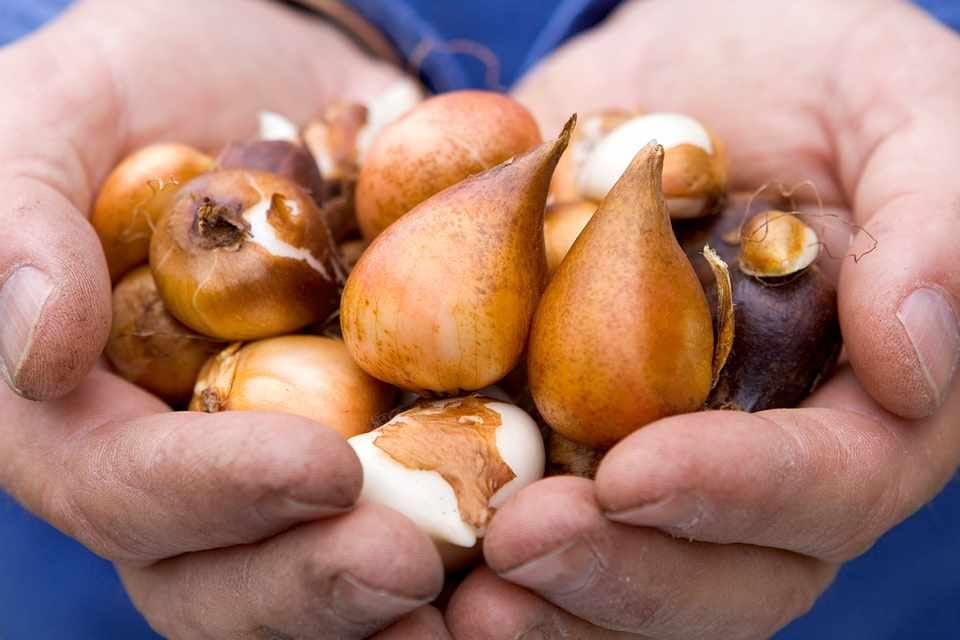
The Bulbs Are Too Young
Some tulip bulbs need time to mature before producing strong flowers.
Small bulbs may produce leaves but not blooms during their first season.
Not Enough Cold Period
Tulips require a natural winter chilling period.
Without enough cold temperatures, bulbs may not develop properly.
Too Little Sunlight
Tulips perform best in full sun.
Insufficient light can result in weak growth and poor flowering.
How To Fix It
Plant high-quality bulbs.
Choose a sunny location.
Plant bulbs at the correct depth.
Select varieties suitable for your climate.
2. Tulip Leaves Turning Yellow Too Early
Yellow leaves can be worrying, but timing matters.
If tulip leaves turn yellow after flowering, this is completely normal.
The plant is naturally preparing the bulb for the next growing season.
However, yellow leaves before flowering may indicate a problem.
Possible Causes
overwatering;
poor drainage;
nutrient deficiency;
disease.
How To Fix It
Check:
soil moisture;
drainage;
sunlight conditions.
Avoid cutting green leaves because they are still providing energy to the bulb.
3. Tulip Bulbs Are Rotting
Bulb rot is one of the biggest enemies of tulips.
The main reason is usually too much moisture.
Tulips naturally prefer well-drained soil because their bulbs are sensitive to standing water.
Common Causes
heavy clay soil;
poor drainage;
excessive watering;
planting in wet areas.
How To Prevent Bulb Rot
Improve growing conditions by:
adding compost and organic matter;
improving drainage;
planting in raised areas;
avoiding unnecessary watering.
🌷 Expert Tip
Healthy tulips start below the soil. Before worrying about flowers,
always make sure the bulbs have the correct planting depth and good drainage.
4. Tulip Flowers Are Small
Sometimes tulips bloom, but the flowers are much smaller than expected.
This can happen because of:
old bulbs;
poor-quality bulbs;
overcrowding;
insufficient nutrients.
Solutions
For better flowers:
plant fresh, large bulbs;
provide enough sunlight;
avoid overcrowding;
feed bulbs after flowering if appropriate.
5. Tulip Stems Are Falling Over
Tall tulips with heavy flowers can sometimes bend or fall.
This is especially common after rain or strong winds.
Why Does This Happen?
Possible reasons:
weak stems;
too much shade;
heavy flower heads;
strong weather conditions.
How To Prevent It
Choose:
strong-stemmed varieties;
sunny planting locations;
sheltered areas.
Good choices include:
Darwin Hybrid Tulips;
Triumph Tulips.
🛒 Looking to start?
Check out the best tulip bulb packages on Amazon for fall planting
6. Tulips Grow Leaves But No Flower Buds
This is slightly different from completely failing to bloom.
The plant grows normally but never creates a flower.
Common causes:
bulb energy is too low;
bulbs are too small;
incorrect storage;
poor growing conditions.
Solution
Allow the plant to complete its natural cycle.
After flowering:
keep leaves until they turn yellow;
allow the bulb to recharge;
provide suitable conditions for next season.
Continue Your Garden Academy Journey
Explore more expert guides:
🌷 The Complete Guide to Tulip Bulbs
🌷 Best Tulip Varieties
🌷 How Deep to Plant Tulip Bulbs
🌷 Growing Tulips in Pots
🌷 Tulips After Flowering
🌷 How to Store Tulip Bulbs After Flowering
🌷 Common Tulip Growing Problems
🌷 Buy Tulip Bulbs Online vs Local Stores | What’s Better?
🌷 Where to Buy Flower Bulbs Online (USA, UK & Europe Guide)
🌷 When to Plant Tulip Bulbs (Complete Guide for Beginners)
🌷 When To Plant Tulip Bulbs: Complete Guide for US and UK Gardeners
7. Squirrels and Animals Eating Tulip Bulbs
One of the biggest challenges for tulip gardeners, especially in North America, is protecting bulbs from animals.
Freshly planted tulip bulbs are attractive to:
squirrels;
chipmunks;
mice;
other small garden animals.
These animals may dig up bulbs before they have a chance to grow.
Why Do Animals Dig Up Tulip Bulbs?
Tulip bulbs contain stored energy, making them attractive food sources during autumn and winter when other food is limited.
Newly planted bulbs are especially vulnerable because the soil around them has been recently disturbed.
How To Protect Tulip Bulbs
Gardeners can reduce damage by:
Planting Bulbs Deeper
Correct planting depth makes bulbs harder for animals to reach.
Using Protective Barriers
Options include:
bulb baskets;
wire mesh protection;
physical barriers around planting areas.
Choosing Less Attractive Bulbs
Some bulb varieties are naturally less appealing to certain animals.
🌷 Expert Tip
Planting tulips together with daffodils is a popular strategy because daffodils are generally avoided by many animals.
8. Tulip Leaves Are Healthy But Flowers Are Missing
Sometimes tulips produce beautiful green leaves but no flowers.
This situation can be confusing because the plant appears healthy.
Common Reasons
The Bulb Did Not Store Enough Energy
Tulip leaves recharge the bulb after flowering.
If leaves were removed too early in previous years, the bulb may become weaker.
The Bulb Is Too Small
Small bulbs may need another growing season before producing flowers.
Poor Growing Conditions
Problems may include:
insufficient sunlight;
overcrowding;
poor soil quality.
Solution
Allow the plant to complete its natural cycle.
After flowering:
remove only faded flowers;
keep leaves until they naturally turn yellow;
allow bulbs to rebuild energy.
9. Tulips Bloom Too Early
Sometimes tulips appear earlier than expected.
While early flowers can be beautiful, unusual timing may create problems.
Why Does This Happen?
The main causes are:
unusually warm winter temperatures;
sudden temperature changes;
planting in a warm location.
How To Protect Early Tulips
If frost is expected:
cover emerging shoots temporarily;
protect containers;
avoid disturbing the soil.
Tulips are generally more cold-resistant than many gardeners expect, but sudden extreme weather can damage developing flowers.
10. Frost Damage to Tulips
Many gardeners worry when temperatures suddenly drop after tulips begin growing.
Fortunately, tulips are naturally adapted to cool spring conditions.
Signs of Frost Damage
Possible symptoms:
damaged flower buds;
bent stems;
damaged leaves;
slower growth.
How To Help Frost-Damaged Tulips
After frost:
wait and observe before removing plants;
allow damaged foliage to recover naturally;
avoid excessive watering;
maintain normal care.
Healthy bulbs often continue growing even after minor weather damage.
11. Tulips Have Weak or Bent Stems
Strong upright stems are one of the most attractive features of tulips.
However, some gardeners notice flowers leaning or falling over.
Common Causes
Lack of Sunlight
Tulips naturally stretch toward light.
Heavy Flowers
Some varieties produce very large blooms that can become difficult for stems to support.
Wind Exposure
Open areas can damage tall varieties.
How To Improve Stem Strength
Choose:
sunny locations;
sheltered planting areas;
strong varieties.
Excellent choices include:
Triumph Tulips;
Darwin Hybrid Tulips.
12. Tulips Are Not Returning Next Year
Many gardeners expect tulips to return forever, but not all tulips behave the same way.
Some varieties are excellent perennial performers, while others are often grown as annual displays.
Tulips More Likely To Return
Good choices include:
Darwin Hybrid Tulips;
species tulips;
Fosteriana tulips.
How To Encourage Tulips To Return
After flowering:
remove faded flowers;
keep foliage until naturally yellow;
avoid disturbing bulbs unnecessarily;
provide good soil conditions.
To make things easier, we have selected the highest-rated tulip bulb collections perfect for autumn soil:
View Tulip Bulb Offers on Amazon
13. Tulip Bulbs Are Planted Too Shallow
Incorrect planting depth can cause several problems:
weak stems;
temperature stress;
poor flowering.
Correct Planting Depth
A general rule:
Plant tulip bulbs approximately 2–3 times deeper than the height of the bulb.
For most tulips:
10–15 cm (4–6 inches) deep is suitable.
14. Tulips Are Overcrowded
Tulips need enough space to develop healthy bulbs.
Over time, bulbs can multiply and compete for:
nutrients;
water;
sunlight.
Signs of Overcrowding
smaller flowers;
weaker plants;
fewer blooms.
Solution
Every few years:
lift bulbs after foliage dies back;
separate offsets;
replant healthy bulbs.
15. Choosing the Wrong Tulip Variety
Not every tulip is suitable for every garden.
A common mistake is selecting varieties based only on appearance.
Consider Before Choosing:
climate;
sunlight;
soil conditions;
available space;
desired flowering time.
For example:
Small gardens may benefit from:
Greigii Tulips;
Species Tulips.
Large landscapes may look better with:
Darwin Hybrid Tulips;
Triumph Tulips.
Final Tulip Problem-Solving Checklist
Before planting your next tulip season, remember:
✅ Choose healthy bulbs
✅ Plant at the correct depth
✅ Use well-drained soil
✅ Provide enough sunlight
✅ Protect bulbs from animals
✅ Allow leaves to mature after flowering
✅ Select varieties suitable for your garden
Healthy tulips are not difficult to grow — they simply need the right conditions.
Continue Your Garden Academy Journey
Explore more expert guides:
🌷 The Complete Guide to Tulip Bulbs
🌷 Best Tulip Varieties
🌷 How Deep to Plant Tulip Bulbs
🌷 Growing Tulips in Pots
🌷 Tulips After Flowering
🌷 How to Store Tulip Bulbs After Flowering
🌷 Common Tulip Growing Problems
🌷 Buy Tulip Bulbs Online vs Local Stores | What’s Better?
🌷 Where to Buy Flower Bulbs Online (USA, UK & Europe Guide)
🌷 When to Plant Tulip Bulbs (Complete Guide for Beginners)
🌷 When To Plant Tulip Bulbs: Complete Guide for US and UK Gardeners
Growing Beauty, Everywhere




Growing Beauty, Everywhere
We help you find the best flower bulbs, seeds, and tools — tailored to your region.
Get your free updates & seasonal planting guides:


This website complies with GDPR
(EU General Data Protection Regulation)
Affiliate Disclosure:This site uses affiliate links. If you make a purchase through these links, we may earn a small commission at no additional cost to you. We only recommend products we trust.
Copyright EUFiori © 2026 All rights reserved. Email