Tulips After Flowering: Deadheading, Foliage & Bulb Care Guide
Tulips After Flowering:
What To Do With Tulip Bulbs After They Bloom
Tulips are one of the most loved spring flowers in gardens around the world. Their bright colours, elegant shapes, and incredible variety make them a favourite choice for gardeners everywhere.
But when the beautiful blooms finally fade, many gardeners ask the same important question:
What should I do with tulips after flowering?
Should you cut them back immediately?
Should you remove the bulbs from the soil?
Can tulip bulbs bloom again next year?
How do you store tulip bulbs after flowering?
The answer depends on the type of tulip you are growing, your climate, and your gardening goals.
In this complete guide, we will explain everything you need to know about tulip care after flowering, including deadheading, feeding, storing bulbs, replanting, and preparing your garden for the next blooming season.
What Happens To Tulips After They Bloom?
After tulips finish flowering, the plant enters an important recovery period.
Although the colourful flowers disappear, the plant is not finished.
The leaves continue working by collecting sunlight and producing energy through photosynthesis.
This energy is stored inside the bulb and helps create next year's flowers.
Many beginner gardeners make one common mistake:
They cut the leaves too early.
Removing the green leaves immediately after flowering prevents the bulb from storing enough energy, which can result in weaker blooms or no flowers the following year.
The period after flowering is actually one of the most important stages in the tulip life cycle.
Step 1: Remove Faded Tulip Flowers (Deadheading)
Once tulip flowers begin to fade, the first thing you should do is remove the old flower head.
This process is called: deadheading
Deadheading helps the plant focus its energy on the bulb instead of producing seeds.
How to deadhead tulips correctly:
Wait until the flower has finished blooming.
Cut off the faded flower head.
Leave the stem and leaves intact.
Avoid damaging the green foliage.
Use clean gardening scissors or pruning shears to prevent spreading diseases.
Why Should You Deadhead Tulips?
If you leave faded flowers on the plant, the tulip may produce seeds.
Seed production requires a lot of energy.
For most gardeners, the goal is not to grow tulips from seeds but to encourage stronger bulbs for future flowering.
Deadheading helps:
strengthen the bulb;
improve next year's flowering;
maintain a cleaner garden appearance;
prevent unnecessary energy loss.
Step 2: Do Not Cut Tulip Leaves Too Early
This is probably the most important rule of tulip care after flowering.
After blooming:
Keep the leaves until they naturally turn yellow and die back.
During this time, the leaves are feeding the bulb.
The plant is storing energy for the next growing season.
Usually, tulip foliage remains green for several weeks after flowering.
Depending on climate and variety, this period may last:
around 4–8 weeks after flowering.
The exact timing depends on:
weather conditions;
tulip variety;
soil quality;
sunlight exposure.
When Should You Remove Tulip Leaves?
You can remove tulip foliage when:
leaves become yellow;
leaves become brown;
they easily pull away from the plant;
the plant looks completely dormant.
At this stage, the bulb has completed its energy storage process.
Simply cut the remaining foliage close to the soil level.
Should You Water Tulips After Flowering?
Yes, but moderately.
Many gardeners stop watering immediately after flowering, but the bulb still needs moisture while the leaves are active.
Continue watering when:
the soil is dry;
rainfall is insufficient;
temperatures are warm.
However, avoid overwatering.
Tulip bulbs do not like constantly wet soil.
Too much moisture can cause:
bulb rot;
fungal problems;
poor bulb health.
The ideal soil should be:
moist but not waterlogged;
well-draining;
rich in organic matter.
Should You Fertilize Tulips After They Bloom?
Yes, providing nutrients after flowering can help bulb development.
A balanced bulb fertilizer or compost can support healthy growth.
Look for nutrients that encourage bulb strength rather than excessive leaf growth.
A good time to fertilize is:
after flowering;
while the leaves are still green.
Avoid heavy nitrogen fertilizers because they may encourage leaves instead of strong bulbs.
Should You Leave Tulip Bulbs In The Ground?
This is one of the most common questions.
The answer depends on your location and the type of tulip.
Leaving tulip bulbs in the ground works well when:
your soil drains well;
winters are cold enough;
you grow perennial tulip varieties.
Many gardeners in colder regions leave bulbs underground year after year.
Digging up tulip bulbs may be better when:
summers are very hot and humid;
soil stays wet;
you want to reorganize your garden;
you grow tulips that do not reliably return.
Some tulip varieties naturally perform better when lifted and replanted.
Which Tulips Come Back Every Year?
Not all tulips behave the same way.
Some varieties are more reliable perennial performers.
Examples include:
Darwin Hybrid Tulips
Known for:
large flowers;
strong stems;
reliable return.
Species Tulips
Often closer to wild tulips and may naturalize more easily.
Some Botanical Tulips
Good for gardeners who want long-term performance.
Many modern hybrid tulips are bred for spectacular first-year flowering and may become weaker in following years.
How To Prepare Tulip Bulbs For Next Season
After the foliage dies back, gardeners have two choices:
Option 1: Leave bulbs in the ground
This is the easiest method.
Simply allow the bulbs to remain underground and grow naturally next season.
Option 2: Lift and store bulbs
This is useful when:
you want to inspect bulb health;
you need to redesign your garden;
your climate requires storage.
How To Dig Up Tulip Bulbs
If you decide to lift your bulbs:
Wait until the leaves have completely died back.
Carefully loosen the soil around the bulbs.
Lift bulbs gently.
Remove excess soil.
Check for damaged or diseased bulbs.
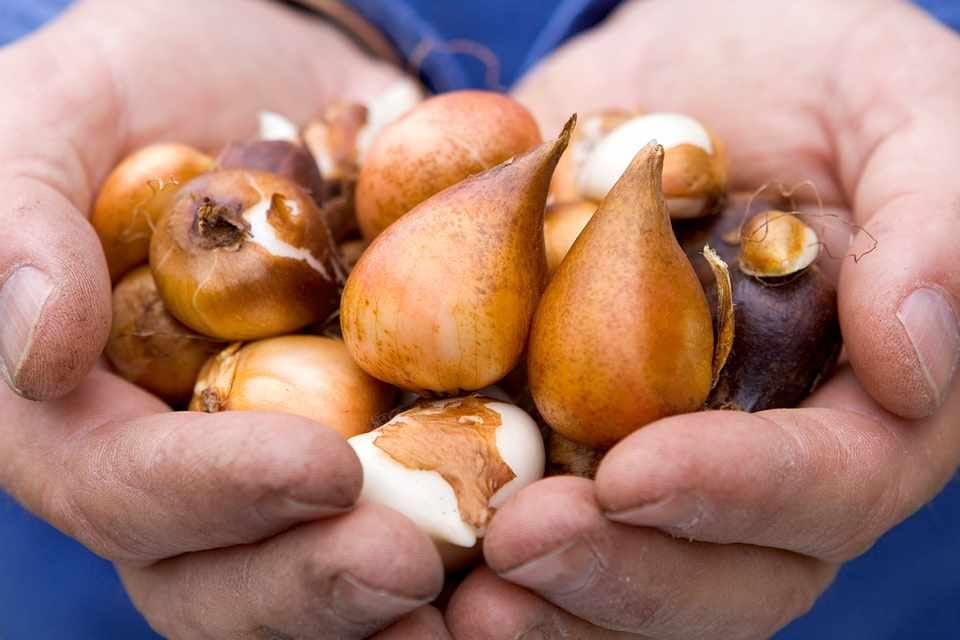
Healthy tulip bulbs should feel:
firm;
solid;
free from soft spots.
How To Store Tulip Bulbs After Flowering
Proper storage is essential if you want to replant bulbs later.
Follow these steps:
1. Clean the bulbs
Remove loose soil carefully.
Do not wash bulbs with excessive water.
2. Dry the bulbs
Place them in a dry, shaded, well-ventilated area.
Allow them to dry for several days.
3. Store in a cool place
Ideal storage conditions include:
cool temperature;
darkness;
good air circulation;
low humidity.
Avoid storing bulbs in sealed plastic bags because trapped moisture can cause mould.
Common Mistakes After Tulip Flowering
Many gardeners accidentally weaken their bulbs by making these mistakes:
Cutting leaves immediately
This reduces energy storage.
Overwatering
Wet soil can damage bulbs.
Leaving diseased bulbs
Problems can spread to healthy plants.
Poor storage conditions
Heat and humidity can destroy stored bulbs.
Expecting every tulip to return forever
Some varieties naturally perform better as annuals.
Can Tulips Bloom Again Next Year?
Yes, tulips can bloom again.
However, success depends on:
tulip variety;
growing conditions;
climate;
soil quality;
after-flowering care.
Providing proper care after flowering gives bulbs the best chance of producing beautiful flowers again.
Tulip Care Calendar After Flowering
Time
Immediately after flowering
Following weeks
Leaves turning yellow
Leaves completely dry
Summer
Autumn
What To Do
Remove faded flowers
Keep leaves and water when needed
Reduce watering
Remove foliage
Store bulbs if needed
Plant bulbs for next spring
Frequently Asked Questions About Tulips After Flowering
Should I cut tulips back after they bloom?
Remove the faded flowers, but keep the leaves until they naturally turn yellow.
How long do tulip leaves need to stay after flowering?
Usually several weeks, often around 4–8 weeks depending on conditions.
Can I leave tulip bulbs in the ground?
Yes, especially in suitable climates and with reliable perennial varieties.
Should I dig up tulip bulbs every year?
Not always. Many gardeners leave them in the ground, while others lift them depending on climate and variety.
Why did my tulips not bloom again?
Possible reasons include:
insufficient energy storage;
unsuitable climate;
poor soil;
overcrowded bulbs;
tulip variety characteristics.
Caring For Tulips After They Bloom
The end of tulip flowering is not the end of the plant.
It is the beginning of preparation for the next season.
By removing faded flowers, protecting the leaves, providing proper care, and storing bulbs correctly when needed, you can enjoy beautiful tulips year after year.
Healthy tulips begin with good care after flowering.
Continue Your Garden Academy Journey
Explore more expert guides:
🌷 The Complete Guide to Tulip Bulbs
🌷 Best Tulip Varieties
🌷 How Deep to Plant Tulip Bulbs
🌷 Growing Tulips in Pots
🌷 Tulips After Flowering
🌷 How to Store Tulip Bulbs After Flowering
🌷 Common Tulip Growing Problems
🌷 Buy Tulip Bulbs Online vs Local Stores | What’s Better?
🌷 Where to Buy Flower Bulbs Online (USA, UK & Europe Guide)
🌷 When to Plant Tulip Bulbs (Complete Guide for Beginners)
🌷 When To Plant Tulip Bulbs: Complete Guide for US and UK Gardeners
Growing Beauty, Everywhere



Growing Beauty, Everywhere
We help you find the best flower bulbs, seeds, and tools — tailored to your region.
Get your free updates & seasonal planting guides:


This website complies with GDPR
(EU General Data Protection Regulation)
Affiliate Disclosure:This site uses affiliate links. If you make a purchase through these links, we may earn a small commission at no additional cost to you. We only recommend products we trust.
Copyright EUFiori © 2026 All rights reserved. Email