Hyacinths vs Tulips: Which Spring Bulb Should You Grow?
Hyacinths vs Tulips:
Differences, Growing Guide and Which Spring Bulb Is Better
Tulips and hyacinths are two of the most beloved spring-flowering bulbs in the world.
Both bring beautiful colors to gardens after winter, both are easy to grow, and both can transform outdoor spaces into spectacular spring displays.
But they are not the same.
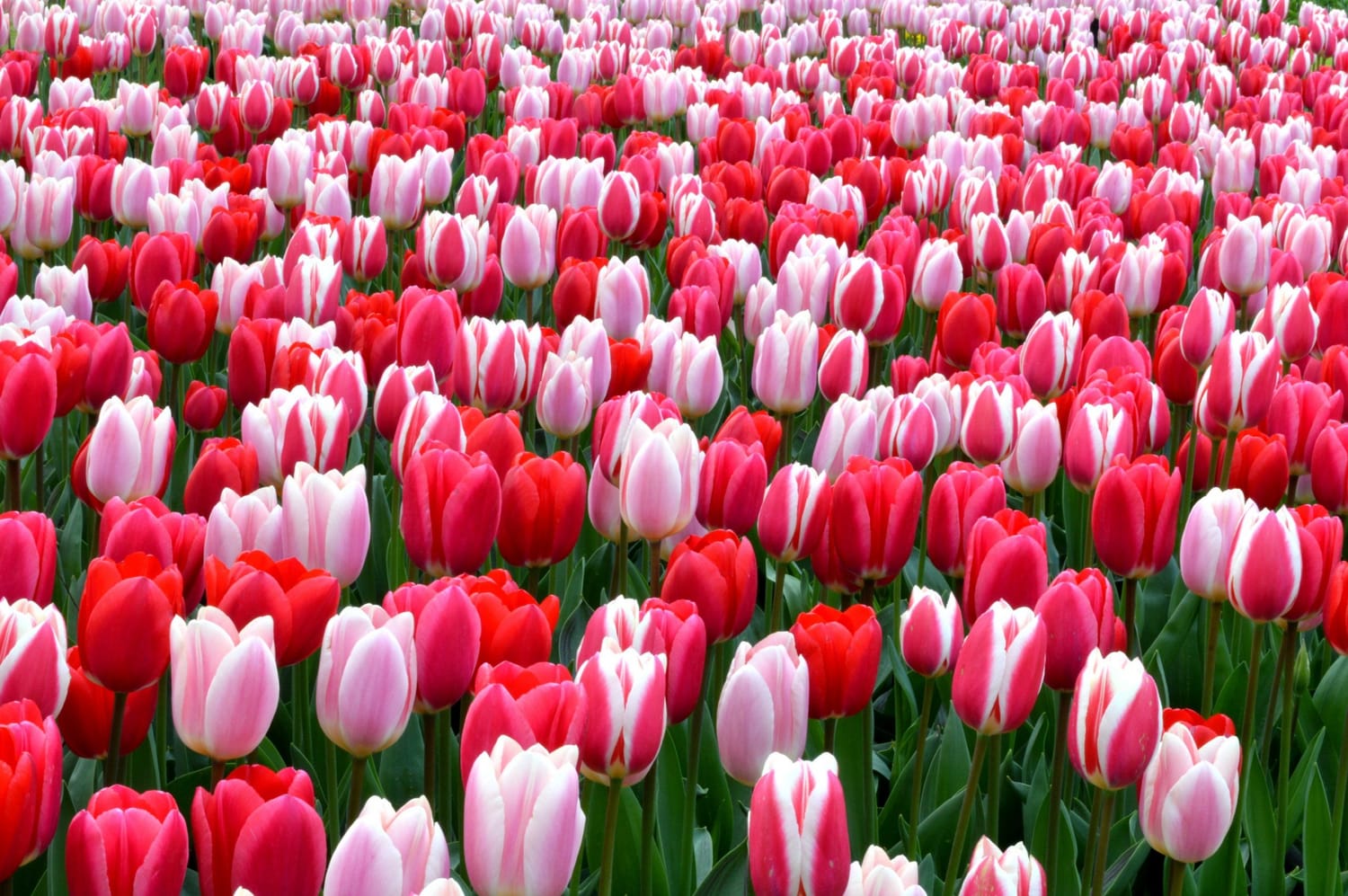
Tulips are famous for their incredible variety of shapes, colors, and elegant flowers.
Hyacinths are famous for something completely different—their unforgettable fragrance.
So which spring bulb is better?
The answer depends on what you want from your garden.
In this complete comparison guide, we will explore the differences between hyacinths and tulips, including appearance, fragrance, planting, care, flowering time, and the best uses for each flower.
Quick Comparison: Hyacinths vs Tulips
Feature .............................. Hyacinths .......................................... Tulips
Botanical family ............... Asparagaceae ................................... Liliaceae
Flowering season ............. Early to mid spring .......................... Early to late spring
Height ................................. 20–30 cm (8–12 inches) .................. 15–70 cm (6–28 inches)
Main attraction ................. Strong fragrance .............................. Huge variety of colors and shapes
Best location ..................... Containers, borders, entrances .... Beds, borders, landscapes
Sun requirements ............ Full sun to partial shade ................. Full sun
Fragrance ........................... Very strong ........................................ Usually mild
Difficulty ............................. Easy .................................................... Easy
Best for beginners ............ Excellent ............................................ Excellent
Hyacinths: The Flower of Fragrance
Hyacinths are compact spring bulbs known for their dense flower spikes and powerful scent.
A single flowering hyacinth can fill a small garden area or room with fragrance.
Popular hyacinth colors include:
blue;
purple;
pink;
white;
yellow;
red.
Hyacinths are especially popular for:
entrance gardens;
patios;
balconies;
containers;
indoor forcing.
Their biggest advantage is simple:
Hyacinths create an experience, not just a visual display.
Tulips: The Queens of Spring Gardens
Tulips are among the most recognizable flowers in the world.
With thousands of varieties available, tulips offer almost unlimited possibilities.
They come in:
single colors;
multi-colored patterns;
fringed petals;
double flowers;
lily-shaped flowers;
parrot varieties.
Tulips are ideal for gardeners who want:
large colorful displays;
creative combinations;
landscape impact;
seasonal garden design.
Difference 1: Fragrance
Winner: Hyacinths 🌸
This is where hyacinths clearly stand out.
Most tulips have little or no noticeable fragrance.
Hyacinths, however, are among the most fragrant spring bulbs.
Their scent is often described as:
sweet;
fresh;
floral;
intense.
For gardens near:
doors;
pathways;
windows;
seating areas,
hyacinths are an excellent choice.
Difference 2: Flower Variety
Winner: Tulips 🌷
Tulips offer far more variety.
Gardeners can choose from thousands of cultivars with different:
colors;
heights;
shapes;
flowering periods.
If your goal is creating a dramatic spring garden, tulips are difficult to beat.
Difference 3: Bloom Time
Both flowers bloom in spring, but timing varies.
Hyacinths often bloom:
early to mid spring.
Tulips can bloom:
early spring;
mid spring;
late spring.
By combining different tulip varieties with hyacinths, gardeners can create a longer flowering season.
Difference 4: Growing Requirements
The good news:
Both flowers are beginner-friendly.
Both prefer:
well-drained soil;
sunny locations;
autumn planting;
proper winter chilling.
Soil Requirements
Hyacinths:
Prefer fertile, well-drained soil.
Tulips:
Also require excellent drainage because bulbs dislike wet conditions.
Watering
Both plants need:
moisture after planting;
moderate watering during growth;
reduced watering after flowering.
Avoid constantly wet soil.
Difference 5: Growing in Pots
Hyacinths in Containers
Hyacinths are excellent container plants.
Their compact size makes them perfect for:
balconies;
terraces;
indoor displays.
Tulips in Containers
Tulips also grow well in pots.
They offer:
taller flowers;
dramatic colors;
seasonal decoration.
For containers:
Hyacinths = fragrance
Tulips = visual impact
Difference 6: Which Is Better for Beginners?
Both are excellent choices.
Choose hyacinths if you want:
🌸 strong fragrance
🌸 compact plants
🌸 easy container gardening
🌸 indoor displays
Choose tulips if you want:
🌷 more colors
🌷 bigger garden displays
🌷 more design possibilities
The Best Choice? Grow Both Together
Many gardeners do not choose between hyacinths and tulips.
They plant both.
This creates a combination of:
tulip colors;
hyacinth fragrance;
different heights;
longer spring interest.
Beautiful combinations include:
Blue Hyacinths + Yellow Tulips
A classic contrast that creates a bright spring display.
White Hyacinths + Pink Tulips
A soft and elegant garden combination.
Purple Hyacinths + Red Tulips
A bold and dramatic spring arrangement.
Tip: To get massive blooms next spring, don't forget to fertilize your bulbs. Check out our Complete Bulb Fertilizer Guide
Hyacinths vs Tulips: Final Verdict
There is no absolute winner.
The better choice depends on your goal.
Choose hyacinths for:
🌸 fragrance
🌸 small spaces
🌸 containers
🌸 indoor flowers
Choose tulips for:
🌷 variety
🌷 colors
🌷 large garden displays
For the ultimate spring garden:
Plant both.
Together, hyacinths and tulips create one of the most beautiful and memorable spring flower combinations.
Continue Your Spring Bulb Academy
Explore more guides:
🌷 The Complete Guide to Tulip Bulbs
🌷 When To Plant Tulip Bulbs: Complete Guide for US and UK Gardeners
🌷 Common Tulip Growing Problems
🌸 How to Grow Hyacinths
🌸 Best Hyacinth Varieties
🌸 Hyacinths After Flowering
Growing Beauty, Everywhere


Growing Beauty, Everywhere
We help you find the best flower bulbs, seeds, and tools — tailored to your region.
Get your free updates & seasonal planting guides:
This website complies with GDPR
(EU General Data Protection Regulation)
Affiliate Disclosure:This site uses affiliate links. If you make a purchase through these links, we may earn a small commission at no additional cost to you. We only recommend products we trust.
Copyright EUFiori © 2026 All rights reserved. Email