Bulb Fertilizer Guide: Best Food for Tulips, Daffodils & Hyacinths
Bulb Fertilizer: The Secret to Massive Spring Blooms
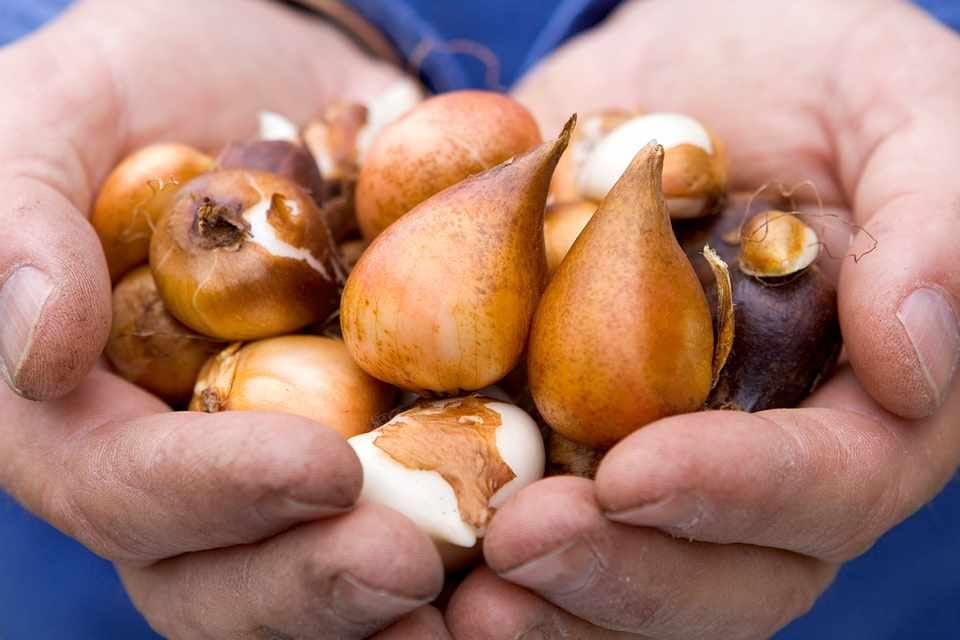
Flower bulbs come naturally packed with nutrients. However, if you expect spectacular blooms from your tulips, daffodils, and hyacinths year after year, proper nutrient management is essential.
A specialized bulb fertilizer—preferably an organic slow-release formula—ensures that the bulb stores enough energy after blooming for the following season while staying resilient against diseases.
In this guide, you will learn when to fertilize your bulbs, which nutrients they actually need, and why organic slow-release fertilizer is the ultimate choice.
Why Do Flower Bulbs Need Specialized Fertilizer?
Bulbous plants have completely different nutrient requirements compared to lawns or vegetables:
Too Much Nitrogen (N): Causes the plant to grow massive green leaves while producing small, weak blooms or causing the bulb to rot underground.
Sufficient Potassium (K) & Phosphorus (P): Promotes strong bud formation, sturdier stems, and strengthens the bulb for overwintering.
High-quality bulb food is precisely formulated to match this exact N-P-K ratio.
When Is the Best Time to Fertilize Bulbs?
There are two critical times during the year for fertilizing flower bulbs:
1. Planting Time in Autumn (September to November)
Add a handful of organic slow-release fertilizer (or well-rotted compost) directly into the planting hole. This stimulates strong root development in cooling soil before winter sets in.
2. Early Spring Emergence (February to March)
As soon as the first green shoots push through the soil, the plant needs extra nutrients to build strong flower stalks.
🌸 Pro Tip (Post-Bloom Care): The most important feeding window is right after flowering! As long as the foliage remains green, the bulb absorbs vital nutrients to form next year's internal flower buds.
Why Organic Slow-Release Fertilizer Is the Best Choice
Horticultural experts almost exclusively recommend organic slow-release fertilizers (e.g., bone meal, feather meal, or plant-based compounds) for garden beds and containers.
Key benefits over chemical fertilizers:
No Risk of Over-Fertilization: Nutrients release slowly and safely over several weeks.
Root Protection: Synthetic chemical fertilizers can burn delicate bulb roots upon direct contact.
Soil Health: Organic matter feeds beneficial soil microbes and improves soil structure.
Long-Lasting Effect: A single application in spring is usually enough for the entire season.
🛒 RECOMMENDED BULB FOOD FOR VIBRANT BLOOMS
📦 Organic Slow-Release Bulb & Perennial Fertilizer: 100% natural formula rich in potassium and phosphorus. Guarantees strong stems, vivid colors, and healthy bulb propagation.
Fertilizing Flower Bulbs in Pots & Containers
Hyacinths, tulips, and daffodils in patio pots or window boxes have limited soil volume, meaning nutrients deplete much faster.
Mix a small amount of slow-release fertilizer into the potting mix during autumn planting.
Alternatively, apply a mild organic liquid fertilizer every 2 weeks via watering during the spring growth phase.
Common Bulb Fertilization Mistakes to Avoid
❌ Using High-Nitrogen Fertilizers: Leads to weak plant tissue and bulb rot.
❌ Waiting Until Foliage Turns Brown: Once the foliage dries up, the bulb goes dormant and can no longer absorb nutrients.
❌ Placing Raw Chemical Fertilizer Directly on Bulbs: Can trigger rot (always mix thoroughly with soil).
Summary
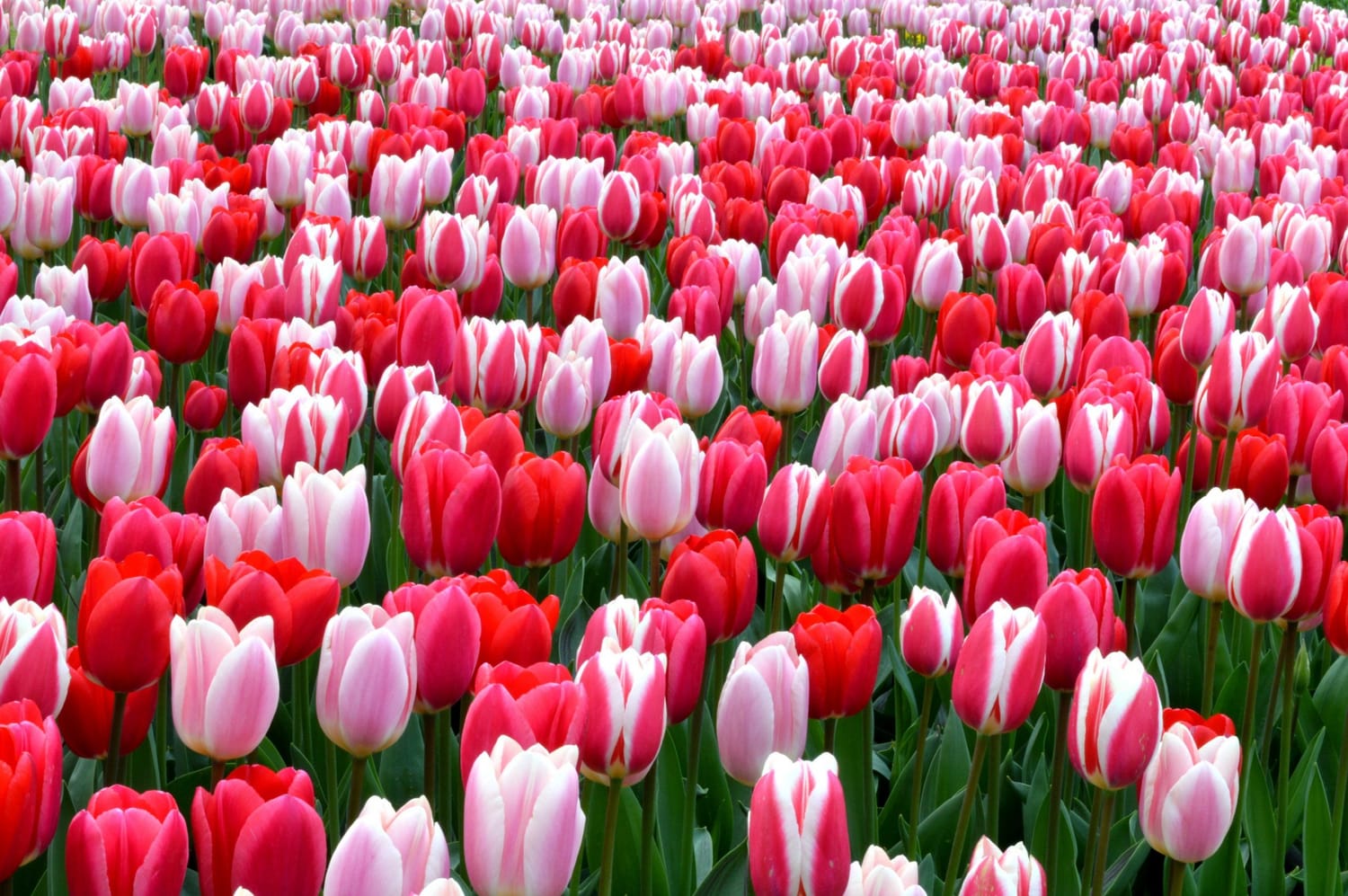
Applying the right dose of organic bulb fertilizer in autumn and early spring sets the stage for a breathtaking sea of flowers. A simple step with incredible results for your garden!
Growing Beauty, Everywhere



Growing Beauty, Everywhere
We help you find the best flower bulbs, seeds, and tools — tailored to your region.
Get your free updates & seasonal planting guides:

This website complies with GDPR
(EU General Data Protection Regulation)
Affiliate Disclosure:This site uses affiliate links. If you make a purchase through these links, we may earn a small commission at no additional cost to you. We only recommend products we trust.
Copyright EUFiori © 2026 All rights reserved. Email