The Pollinator Spring Garden: Best Bulbs for Bees & Butterflies
🐝 The Perfect Pollinator Spring Garden:
Bulbs That Bees and Butterflies Love
Introduction
A beautiful garden isn't just a place for people to enjoy—it's also a vital habitat for wildlife.
Each spring, bees, butterflies, hoverflies, and many other pollinating insects emerge in search of nectar and pollen. Unfortunately, these early food sources are becoming increasingly scarce in many urban and suburban areas.
The good news is that even a small garden filled with flowering bulbs can make a real difference.
By choosing the right plants and arranging them thoughtfully, you can create a landscape that's both visually stunning and rich in resources for pollinators from late winter through early summer.
This guide will show you how to design a spring bulb garden that supports wildlife while providing months of colorful blooms.
Why Pollinators Need Our Help
Pollinators play an essential role in healthy ecosystems.
They help fertilize flowers, fruits, vegetables, and countless wild plants.
Without them, many of the foods and landscapes we enjoy would look very different.
Creating a pollinator-friendly garden is one of the simplest ways home gardeners can contribute to biodiversity.
Even a few containers or a small flower bed can provide valuable feeding opportunities.
🌼 Did You Know?
Around three-quarters of the world's flowering plants rely, at least in part, on animal pollinators for reproduction. Gardens filled with nectar-rich flowers can become important stepping stones that help connect fragmented habitats.
What Makes a Good Pollinator Garden?
A successful pollinator garden isn't defined by the number of flowers—it depends on thoughtful planning.
The best gardens provide:
🌸 Flowers over a long season.
🌞 Sunny areas for insects to forage.
💧 A shallow water source.
🌿 Shelter from strong winds.
🌱 A diversity of flower shapes and colors.
🐝 Pesticide-free growing practices whenever possible.
The goal is to offer a continuous supply of nectar and pollen rather than a single burst of bloom.
🛒 Looking to start?
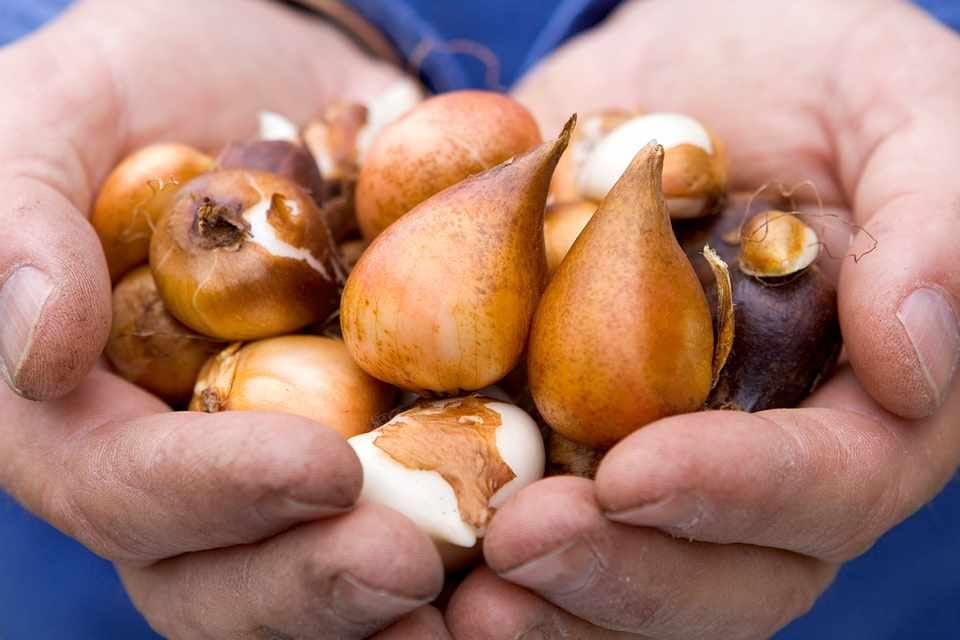
Check out the best tulip bulb packages on Amazon for fall planting
The Best Spring Bulbs for Pollinators
Not all flowering bulbs provide the same value to wildlife.
Some produce abundant nectar and pollen, while others are grown primarily for ornamental beauty.
Here are some of the best choices.
💜 Crocuses
One of the earliest and most valuable spring flowers.
Their open blooms allow bees easy access to pollen and nectar during the first warm days of the year.
Bloom Time
Late winter to early spring.
❄️ Snowdrops
Snowdrops often bloom before almost anything else.
On mild days they provide a welcome food source for early-emerging bees.
🌼 Daffodils
Although not as nectar-rich as crocuses, many daffodil varieties still support early pollinators and contribute to a longer flowering season.
🌸 Hyacinths
Hyacinths attract a variety of pollinating insects with both their bright colors and sweet fragrance.
Their dense flower spikes provide many individual florets for visiting insects.
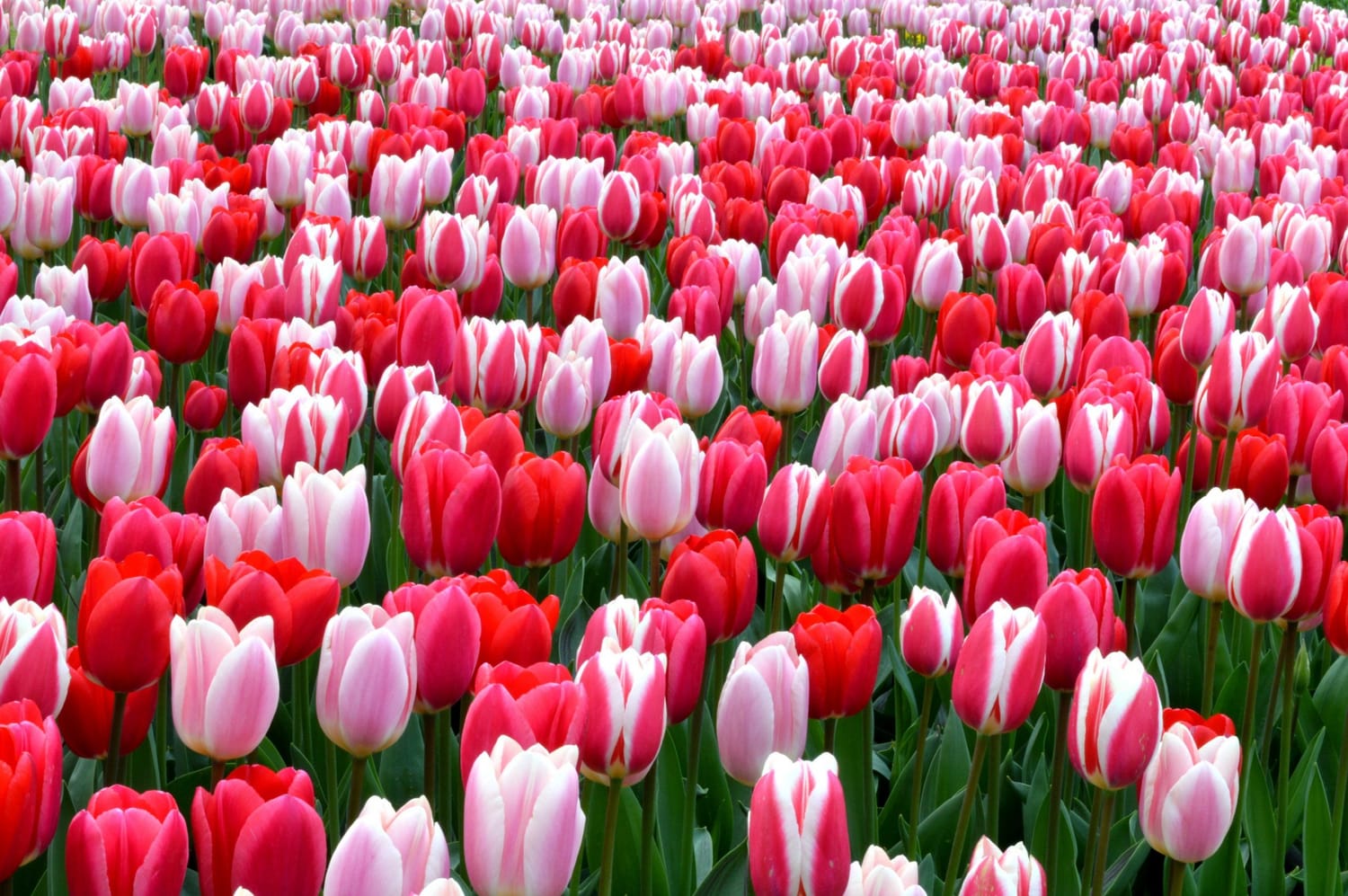
🌷 Species Tulips
Simple, open-flowered species tulips are generally more accessible to bees than heavily double-flowered varieties.
Their bright colors also make them easy for pollinators to locate.
🟣 Alliums
As spring turns into early summer, ornamental alliums become magnets for bees, butterflies, and hoverflies.
Their globe-shaped flower heads provide hundreds of tiny blossoms in a single cluster, allowing insects to feed efficiently.
Layering the Bloom Season
Rather than planting one bulb species, combine several with overlapping flowering periods.
For example:
❄️ February
Snowdrops
↓
💜 March
Crocuses
↓
🌼 April
Daffodils
Hyacinths
↓
🌷 May
Species Tulips
↓
🟣 June
Alliums
This simple sequence creates a dependable source of nectar across much of the growing season.
💡 Expert Tip
Whenever possible, plant bulbs in generous drifts rather than as isolated individuals.
Large groups of flowers are easier for pollinators to spot from a distance and encourage them to spend more time feeding in your garden.
Pollinator-Friendly Color Choices
Research suggests that different pollinators are attracted to different colors.
While they'll visit many flowers, these shades are especially effective:
💜 Purple – highly attractive to bees.
💙 Blue – excellent for many native pollinators.
🤍 White – valuable during low-light conditions.
💛 Yellow – easy for insects to detect.
By mixing these colors, you create both a vibrant display and a welcoming environment for wildlife.
🐝 Pollinator Corner
Pollinator gardens don't need to be large to make a difference. A sunny border, a handful of containers, or even a small front garden planted with nectar-rich bulbs can provide essential food for insects at a time when natural resources may still be limited.
🌿 Coming Up in Part 2
We'll explore:
Designing the perfect pollinator flower bed
Best planting combinations
Flowers to avoid
Companion perennials
Water sources for pollinators
Garden layouts for small and large spaces
🌍 Garden Inspiration
Imagine stepping into your garden on a bright spring morning. The air hums softly with the sound of bees moving from crocus to hyacinth, while butterflies drift among tulips and the first alliums begin to bloom in the background. It's more than a beautiful display—it's a living ecosystem where every flower plays a role in supporting the wildlife that makes gardens flourish.
To make things easier, we have selected the highest-rated tulip bulb collections perfect for autumn soil:
View Tulip Bulb Offers on Amazon
🐝 The Perfect Pollinator Spring Garden: Bulbs That Bees and Butterflies Love
Part 2 – Designing a Garden That Pollinators Will Love
Designing Your Pollinator Flower Bed
A successful pollinator garden should provide food throughout the season rather than blooming all at once.
Think of your flower bed as a timeline.
As one group of flowers finishes blooming, another begins.
This creates a continuous source of nectar and pollen from late winter into early summer.
Layering Bloom Times
Instead of grouping flowers by color alone, combine them according to their flowering season.
Late Winter
❄️ Snowdrops
💜 Early Crocuses
These are often the first flowers visited by hungry bees after winter.
Early Spring
💜 Large Dutch Crocuses
🌼 Miniature Daffodils
💙 Scilla
This period brings an explosion of color and provides abundant nectar for early pollinators.
Mid Spring
🌸 Hyacinths
🌷 Species Tulips
💙 Muscari
By now, many bee species become increasingly active, making a diverse flower selection especially valuable.
Late Spring
🟣 Alliums
🌷 Late Tulips
🌿 Camassias
These plants continue supporting pollinators as many early bulbs begin to fade.
Companion Plants for Pollinators
Bulbs are only part of the picture.
By adding nectar-rich perennials, you can extend the flowering season well into summer.
Excellent companions include:
💜 Lavender
🌿 Catmint (Nepeta)
💙 Salvia
🌸 Hardy Geranium
💛 Coreopsis
🤍 Yarrow (Achillea)
These plants continue feeding bees and butterflies long after the bulb season has ended.
🌼 Did You Know?
Many native bees travel surprisingly short distances while foraging. A garden with continuous blooms and a variety of flower shapes can support more pollinators than a larger garden that flowers only for a brief period.
Creating Pollinator Zones
Instead of planting everything together, divide your garden into small habitat zones.
🌞 Sunny Nectar Border
Plant:
Crocuses
Tulips
Alliums
Lavender
Ideal for bees and butterflies that prefer warm, sunny conditions.
🌳 Woodland Corner
Plant:
Snowdrops
Scilla
Miniature Daffodils
Perfect beneath deciduous trees where early spring sunlight reaches the ground.
🪴 Pollinator Containers
Even balconies and patios can support wildlife.
Combine:
Crocuses
Muscari
Hyacinths
Dwarf Alliums
Grouping several containers together creates a highly visible feeding station for insects.
Add a Water Source
Pollinators need water as well as flowers.
A shallow dish filled with clean water and a few small stones allows bees and butterflies to drink safely without the risk of drowning.
Place it near flowering plants and refresh the water regularly, especially during warm weather.
Avoid These Common Mistakes
Even well-intentioned gardens can become less welcoming to pollinators if a few basic principles are overlooked.
Avoid:
❌ Using pesticides or insecticides while flowers are in bloom.
❌ Planting only double-flowered varieties, which may provide little or no accessible nectar.
❌ Having large gaps between flowering periods.
❌ Removing every wildflower from the garden.
❌ Growing only one flower species.
Diversity is one of the keys to a healthy pollinator garden.
💡 Expert Tip
Plant bulbs in generous drifts rather than single rows. Large patches of flowers are easier for bees and butterflies to locate,
making your garden a more efficient feeding stop while creating a stronger visual impact.
Sample Pollinator Garden Layout
Imagine a small rectangular flower bed.
Back
🟣 Tall Alliums
💙 Salvias
Middle
🌷 Species Tulips
🌸 Hyacinths
🌼 Daffodils
Front
💜 Crocuses
🤍 Snowdrops
💙 Muscari
This layered arrangement offers changing heights, colors, and bloom times while remaining attractive from February through June.
🐝 Pollinator Corner
Every flowering season tells a story. By choosing plants that bloom one after another, your garden becomes a reliable source of food for bees, butterflies, hoverflies, and many other beneficial insects. Even a modest planting can contribute to healthier urban and suburban ecosystems.
🌿 Coming Up in Part 3
In the final section we'll cover:
Ready-made pollinator garden plans
Small, medium, and large garden designs
Frequently Asked Questions
Garden Academy Summary
Shopping Checklist
Final Thoughts
🌍 Garden Inspiration
A thriving pollinator garden is full of quiet movement. Bees weave between crocuses, butterflies pause on tulips warmed by the morning sun, and hoverflies drift among the alliums. Every bloom has a purpose, and every visitor plays a part. The result is a garden that feels alive—not just because of its flowers, but because of the wildlife it welcomes.
🐝 The Perfect Pollinator Spring Garden: Bulbs That Bees and Butterflies Love
Part 3 – Maintenance, Seasonal Care, FAQs and Garden Plans
Seasonal Care for a Pollinator Garden
Once your bulbs are planted, maintaining a pollinator-friendly garden is surprisingly simple.
The key is to let nature work with you rather than against you.
During Flowering
🌞 Keep the soil evenly moist but never waterlogged.
🌸 Avoid spraying flowers with pesticides or insecticides.
🐝 Allow pollinators to forage undisturbed during warm, sunny days.
After Flowering
Once blooms fade:
Remove spent flowers if desired.
Leave the foliage until it naturally turns yellow.
Feed bulbs with a balanced fertilizer if needed.
Allow the plants to store energy for next spring.
Healthy bulbs mean more flowers—and more food for pollinators—the following year.
Supporting Pollinators Beyond Spring
Although bulbs provide an excellent start to the season, pollinators need food throughout the year.
Continue the display by planting summer and autumn flowers nearby.
Excellent companions include:
🌸 Lavender
💜 Salvia
🌿 Catmint (Nepeta)
🌼 Coneflowers (Echinacea)
💛 Black-eyed Susans (Rudbeckia)
🌺 Sedums
By combining spring bulbs with long-flowering perennials, your garden can support wildlife from late winter until autumn.
Creating Different Types of Pollinator Gardens
Every outdoor space can become a haven for pollinators.
🏡 Small Front Garden
Use generous drifts of crocuses, miniature daffodils, and species tulips.
Finish the season with compact alliums.
🪴 Balcony Pollinator Garden
Plant layered containers with:
Crocuses
Muscari
Miniature daffodils
Hyacinths
Perfect for urban gardeners with limited space.
🌳 Woodland Pollinator Garden
Choose bulbs that thrive beneath deciduous trees.
Recommended combinations:
Snowdrops
Crocuses
Scilla
Chionodoxa
Miniature daffodils
These species flower before the tree canopy fully develops.
🌞 Sunny Border
Create a succession of blooms using:
Crocuses
Hyacinths
Species tulips
Alliums
Surround them with lavender and salvias for summer interest.
🌼 Did You Know?
A diverse garden with flowers blooming from late winter through autumn can attract dozens of different pollinating species. Bees, butterflies, hoverflies, beetles, and even some moths all play important roles in keeping gardens healthy and productive.
Shopping Checklist
🌷 Spring Bulbs
🌸 Companion Plants
🛠️ Garden Supplies
Who Is This Garden For?
This project is perfect for:
✅ Beginner gardeners
✅ Families with children
✅ Nature lovers
✅ Bee-friendly gardens
✅ Butterfly enthusiasts
✅ Cottage gardens
✅ Wildlife-friendly landscapes
✅ Urban gardeners
✅ Small suburban gardens
Frequently Asked Questions
Which spring bulb is best for bees?
Crocuses are among the earliest and most valuable nectar sources, making them one of the best spring bulbs for bees.
Do double flowers help pollinators?
Not always.
Many heavily double flowers produce less accessible nectar and pollen than simple, open blooms. Including single-flowered varieties generally provides greater benefits for pollinators.
Can I create a pollinator garden in containers?
Absolutely.
Even a few containers filled with crocuses, muscari, miniature daffodils, and hyacinths can provide valuable food for bees and butterflies in urban areas.
Should I avoid pesticides?
Yes.
Whenever possible, choose natural gardening practices. Reducing pesticide use helps protect the beneficial insects your garden is designed to attract.
Garden Academy Project Summary
Building a Pollinator-Friendly Spring Garden
✅ Plant bulbs with overlapping bloom times.
✅ Choose nectar-rich species.
✅ Include a variety of flower colors and shapes.
✅ Grow plants in sunny locations whenever possible.
✅ Avoid pesticides.
✅ Add companion perennials for summer flowers.
✅ Leave seed heads and sheltered areas where appropriate to support wildlife.
Continue Exploring Garden Academy
🐝 Pollinator Corner
Every flower planted with pollinators in mind is a small act of conservation. Whether you grow a single pot of crocuses on a balcony or design an entire wildlife-friendly border, your garden can become part of a much larger network of habitats that helps bees, butterflies, and other beneficial insects thrive.
Final Thoughts
A pollinator garden is more than a beautiful collection of flowers—it's a living partnership between plants, insects, and people.
By selecting spring bulbs that bloom in succession and combining them with pollinator-friendly perennials, you create a garden that offers beauty, biodiversity, and ecological value throughout the growing season.
Even the smallest space can become a sanctuary where flowers and wildlife flourish together.
🌍 Garden Inspiration
Imagine your garden on a warm April morning. Crocuses sparkle in the sunlight, hyacinths perfume the air, and bees move busily from flower to flower while butterflies drift through the borders. As spring unfolds, tulips give way to elegant alliums, ensuring that the garden remains alive with color and activity. It's a place that delights people while quietly supporting the wildlife that keeps our gardens—and our planet—healthy.
Growing Beauty, Everywhere


Growing Beauty, Everywhere
We help you find the best flower bulbs, seeds, and tools — tailored to your region.
Get your free updates & seasonal planting guides:
This website complies with GDPR
(EU General Data Protection Regulation)
Affiliate Disclosure:This site uses affiliate links. If you make a purchase through these links, we may earn a small commission at no additional cost to you. We only recommend products we trust.
Copyright EUFiori © 2026 All rights reserved. Email