Balcony Spring Garden Ideas: Best Bulbs for Pots & Small Spaces
🌷 The Perfect Balcony Spring Garden:
Best Bulbs for Pots and Small Spaces
Introduction
You don't need a large garden to enjoy a spectacular spring display.
A balcony, terrace, patio, or even a sunny windowsill can burst into color with the right selection of flowering bulbs.
By carefully combining bulbs with different bloom times, heights, and colors, you can create a container garden that changes week after week, bringing the beauty of spring to even the smallest outdoor spaces.
Whether you have a compact city balcony or a spacious terrace, this guide will help you design a long-lasting spring bulb display that's easy to grow, attractive to pollinators, and beautiful from late winter through early summer.
Why Bulbs Are Perfect for Balcony Gardens
Flowering bulbs are among the easiest plants to grow in containers.
Unlike many annual flowers, they require little maintenance after planting and reward gardeners with spectacular blooms each spring.
They are ideal because they:
require very little space;
thrive in pots, window boxes, and containers;
bloom before many summer plants begin growing;
can be combined for continuous flowering;
return year after year with proper care.
Even a small balcony can become a miniature spring garden.
🌼 Did You Know?
A container just 40 cm (16 inches) wide can hold several different bulb species planted in layers, allowing flowers to bloom one after another for many weeks.
Choosing the Right Containers
Almost any container can be used successfully, provided it has good drainage.
Excellent options include:
🪴 Terracotta pots
🪵 Wooden planters
🪣 Decorative ceramic containers
🌿 Raised balcony boxes
🪟 Window boxes
The larger the container, the more bulb varieties you can combine.
The Best Bulbs for Balcony Gardens
Some bulbs adapt especially well to life in containers.
💜 Crocuses
Perfect for early color.
Compact, cheerful, and excellent for attracting bees.
❄️ Snowdrops
Ideal for shaded balconies or elegant woodland-style arrangements.
🌼 Miniature Daffodils
Reliable, compact, and full of spring character.
Excellent for medium-sized pots.
🌸 Hyacinths
Among the most fragrant spring bulbs.
Their perfume can transform an entire balcony during flowering.
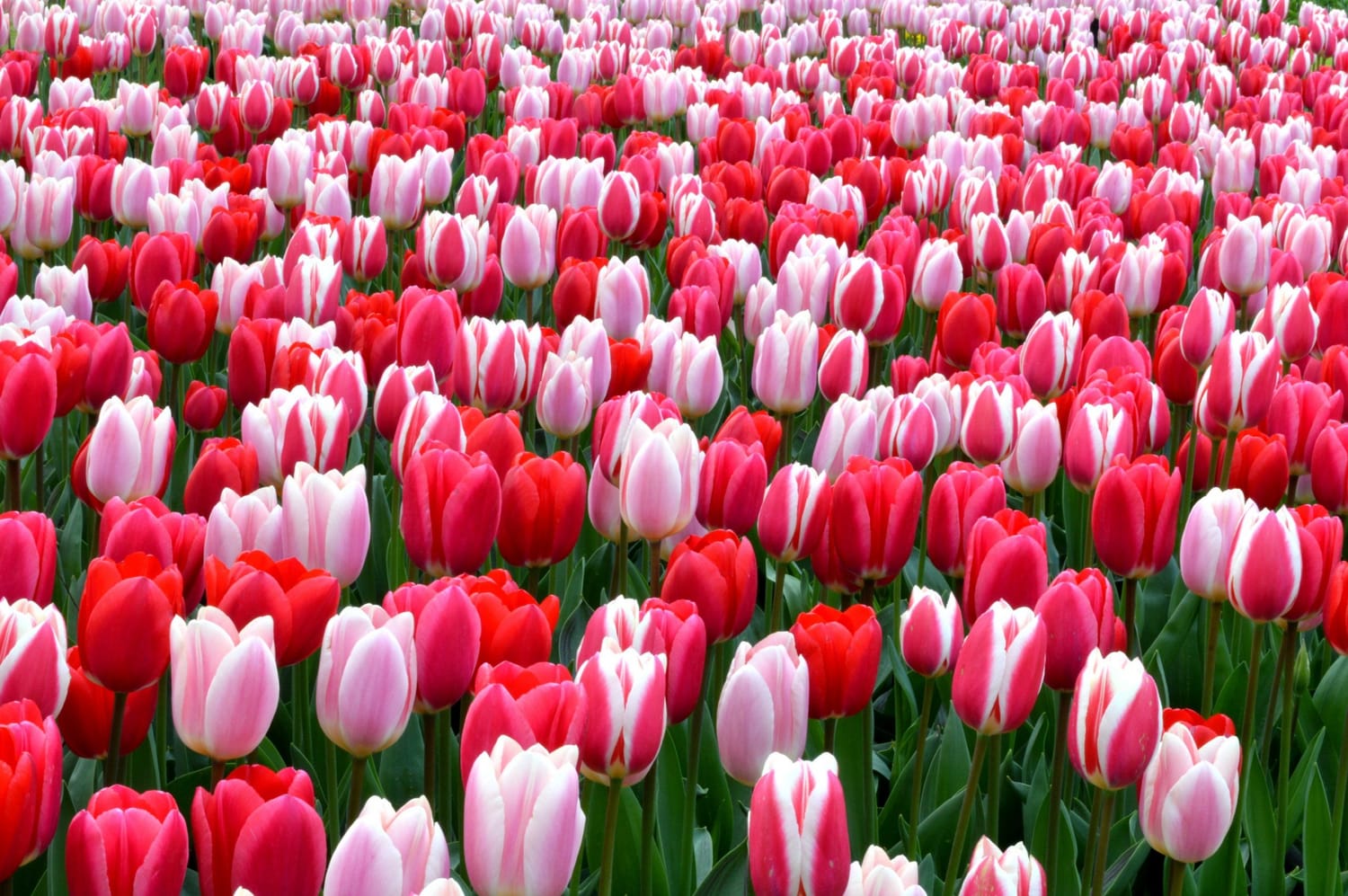
🌷 Early Tulips
Choose compact varieties that perform well in containers.
Their bold flowers become the centerpiece of any spring display.
🟣 Dwarf Alliums
Perfect for extending flowering into late spring while adding architectural interest.
🛒 Looking to start?
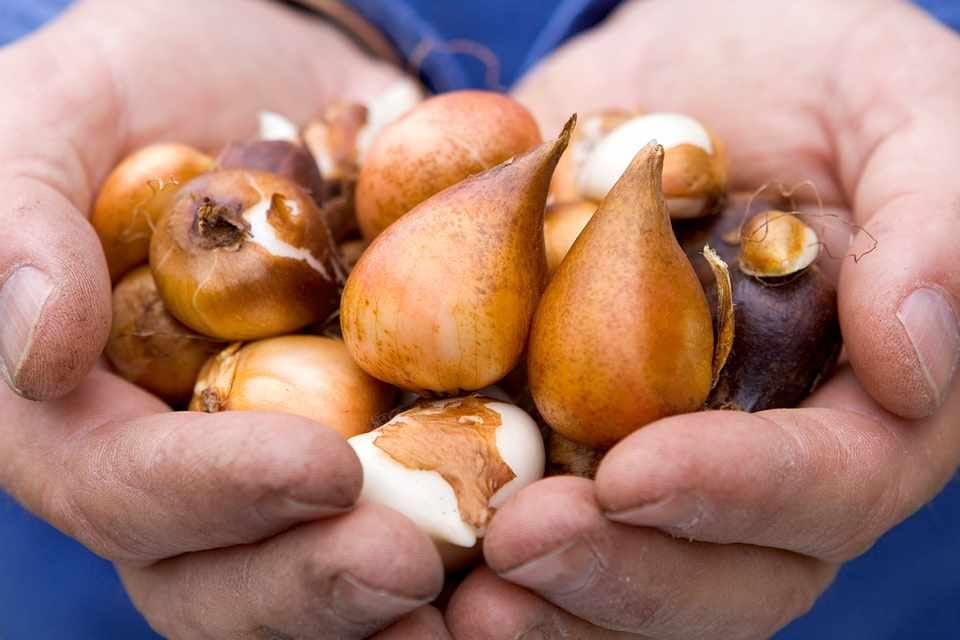
Check out the best tulip bulb packages on Amazon for fall planting
💡 Expert Tip
Choose pots with a diameter of at least 30–40 cm (12–16 inches) if you want to combine several bulb species. Larger containers hold moisture more evenly and provide enough space for layered planting, resulting in longer-lasting and more impressive spring displays.
Planning Your Bloom Sequence
Instead of planting only one flower, think like a garden designer.
Arrange your containers so that different bulbs bloom in succession.
For example:
Late Winter
❄️ Snowdrops
↓
Early Spring
💜 Crocuses
↓
Mid Spring
🌼 Miniature Daffodils
🌸 Hyacinths
↓
Late Spring
🌷 Tulips
🟣 Dwarf Alliums
With this approach, a single container can remain attractive for months.
Best Color Combinations
Different color palettes create different moods.
Romantic Balcony
🤍 White snowdrops
💜 Purple crocuses
🌷 Soft pink tulips
Sunny Spring
💛 Yellow crocuses
🌼 Golden daffodils
🌷 Orange tulips
Elegant Classic
🤍 White hyacinths
💙 Blue muscari
🤍 White tulips
🐝 Pollinator Corner
Even a small balcony can support wildlife. Planting crocuses, miniature daffodils, hyacinths, and compact alliums provides nectar and pollen for bees and other beneficial insects visiting urban gardens during spring.
🌿 Coming Up in Part 2
We'll explore:
How to layer bulbs in containers ("lasagna planting")
The best soil mix for pots
Watering and feeding tips
Balcony designs for sun and shade
Mistakes to avoid
Ready-made planting plans for different balcony sizes
🌍 Garden Inspiration
A balcony filled with spring bulbs is more than just a collection of pots—it becomes your front-row seat to the changing season. Imagine opening the door on a cool March morning to find crocuses glowing in the sunlight, followed weeks later by fragrant hyacinths and elegant tulips. Even the smallest outdoor space can become a place where spring arrives a little earlier and lingers a little longer.
The Secret to Long-Lasting Container Displays
One of the biggest mistakes beginners make is planting only one type of bulb in a pot.
The flowers look wonderful—but only for a short time.
Professional gardeners often use a technique known as layered bulb planting, sometimes called "lasagna planting."
Instead of placing all bulbs at the same depth, they are planted in layers according to their size and flowering time.
As one layer finishes blooming, the next begins.
The result is a container that changes naturally throughout the season.
How to Layer Bulbs in a Pot
Imagine your flower pot as a three-story garden.
Bottom Layer
Plant the largest bulbs first.
Ideal choices include:
🌷 Tulips
🟣 Large Alliums
Place them about 20–25 cm (8–10 inches) below the soil surface.
Middle Layer
Above them, plant medium-sized bulbs such as:
🌼 Miniature Daffodils
🌸 Hyacinths
💙 Muscari
These are typically planted at 10–15 cm (4–6 inches) deep.
Top Layer
Finish with smaller bulbs like:
💜 Crocuses
❄️ Snowdrops
🌿 Chionodoxa
Plant these at around 5–8 cm (2–3 inches) deep.
As spring progresses, each layer emerges in turn, creating weeks of continuous blooms.
🌼 Did You Know?
A single large container can hold more than 40 bulbs when planted in layers. Because each species grows at a different depth, they rarely compete with one another and instead create a succession of flowers throughout the season.
To make things easier, we have selected the highest-rated tulip bulb collections perfect for autumn soil:
View Tulip Bulb Offers on Amazon
Choosing the Right Potting Mix
Healthy bulbs begin with healthy soil.
For containers, use a light, well-draining potting mix.
A reliable blend includes:
high-quality potting compost;
coarse sand or grit for drainage;
a small amount of compost for slow-release nutrients.
Avoid heavy garden soil, which tends to become compacted and hold too much water during winter.
Watering Container Bulbs
Although bulbs dislike waterlogged soil, containers dry out more quickly than garden beds.
General guidelines include:
💧 Water thoroughly after planting.
💧 Keep the soil slightly moist during active growth.
💧 Reduce watering once the foliage begins to yellow naturally.
💧 Never allow pots to remain standing in water.
Good drainage is one of the most important factors for success.
Feeding for Better Blooms
Bulbs store much of their energy before planting, but a little extra nutrition helps ensure strong flowering year after year.
Feed with:
🌱 A balanced bulb fertilizer in early spring.
🌿 A light application of compost after flowering.
Avoid high-nitrogen fertilizers, which encourage excessive leaf growth at the expense of flowers.
Designing for Sunny Balconies
Sunny balconies provide ideal conditions for many spring bulbs.
Excellent combinations include:
🌷 Tulips
🌸 Hyacinths
🌼 Miniature Daffodils
🟣 Compact Alliums
Choose warm colors such as red, orange, yellow, and deep pink for a lively spring display.
Designing for Shady Balconies
Not every balcony enjoys full sun.
Fortunately, several bulbs thrive in partial shade.
Recommended choices include:
❄️ Snowdrops
💜 Crocuses
💙 Scilla
🤍 White Muscari
Soft white, blue, and lavender tones create a peaceful woodland atmosphere.
Balcony Styles
🌸 Cottage Style
Mix several colors freely.
Allow flowers to spill naturally from containers.
Relaxed and cheerful.
🤍 Modern Minimalist
Choose one or two colors only.
White tulips with blue muscari or purple crocuses create a clean, elegant look.
🌿 Natural Woodland
Combine snowdrops, crocuses, scilla, and miniature daffodils in weathered pots or wooden planters.
Perfect for shaded terraces.
💡 Expert Tip
Use containers of different heights to create depth and visual interest.
Place taller pots at the back, medium containers in the center, and smaller pots near the front.
This simple arrangement makes even a compact balcony feel larger and allows every flowering bulb to be seen clearly.
Common Mistakes to Avoid
Even experienced gardeners occasionally make mistakes.
The most common include:
❌ Containers without drainage holes.
❌ Planting bulbs too shallow.
❌ Overwatering during winter.
❌ Removing foliage too early.
❌ Using containers that are too small.
Avoiding these simple errors dramatically improves flowering success.
🐝 Pollinator Corner
Balconies can become valuable stepping stones for urban wildlife. By planting early-flowering bulbs in containers, you create miniature feeding stations for bees and other pollinators traveling between parks, gardens, and green spaces.
🌿 Coming Up in Part 3
In the final section we'll cover:
Ready-made balcony planting plans
Small, medium, and large balcony layouts
Seasonal maintenance
Frequently Asked Questions
Garden Academy Summary
Final Thoughts
🌍 Garden Inspiration
Some of the most inviting outdoor spaces aren't the largest—they're the ones that feel thoughtfully designed. A few carefully arranged containers filled with layered bulbs can transform an ordinary balcony into a colorful spring retreat. Morning coffee surrounded by blooming crocuses, fragrant hyacinths, and graceful tulips can become one of the simplest pleasures of the gardening season.
Balcony Planting Plans
Every balcony is different.
Some offer room for just a few pots, while others can become impressive outdoor living spaces.
Here are three simple planting plans to inspire your own spring garden.
Small Balcony
(Up to 3 m² / 32 sq ft)
Perfect for apartments and compact city spaces.
Planting Plan
🪴 1 Large Container
8 Crocuses
6 Miniature Daffodils
5 Hyacinths
🪟 1 Window Box
12 Muscari
8 Crocuses
This arrangement provides nearly two months of changing spring color without taking up much space.
Medium Balcony
(3–8 m² / 32–86 sq ft)
A medium-sized balcony allows you to create several flowering zones.
Suggested Layout
🌷 Feature Pot
Layered tulips, hyacinths, and crocuses.
🌼 Sunny Corner
Miniature daffodils mixed with muscari.
🟣 Accent Pot
Compact alliums for late spring interest.
💜 Pollinator Pot
Early crocuses combined with grape hyacinths.
This creates continuous flowering while attracting bees and butterflies.
Large Balcony or Terrace
(Over 8 m² / 86 sq ft)
Larger spaces allow you to design your balcony like a miniature garden.
Consider including:
🌷 Tall statement containers
🌸 Fragrant seating area with hyacinths
🌼 Color-themed planting groups
🟣 Architectural alliums
🌿 Evergreen shrubs for year-round structure
🪑 A small bench or café table surrounded by flowering pots
The result is an outdoor room that changes beautifully throughout spring.
Extending the Season Beyond Spring
When bulb foliage begins to fade, your containers don't have to lose their appeal.
Replace or underplant with:
🌿 Hostas
🌸 Hardy geraniums
💜 Lavender
🌼 Calibrachoa
🌺 Petunias
🌱 Heucheras
These plants hide fading bulb leaves while carrying the display into summer.
🌼 Did You Know?
Professional container designers often treat spring bulbs as the first chapter of the gardening season. Once the bulbs finish flowering, the same containers are refreshed with summer annuals or perennials, allowing a single pot to remain attractive for much of the year.
Shopping Checklist
🌷 Bulbs
🪴 Containers
Frequently Asked Questions
How many bulbs fit in one container?
It depends on the size of the pot, but a 40 cm (16-inch) container can often hold 20–40 bulbs when layered correctly.
Can I leave bulbs in containers year after year?
Yes, provided the containers drain well and the bulbs are not overcrowded. Every few years, lift and divide them if flowering becomes less impressive.
Do balcony bulbs need fertilizer?
A light feeding in early spring and fresh compost after flowering usually provide enough nutrients for healthy growth.
Which bulbs bloom for the longest period?
By combining snowdrops, crocuses, miniature daffodils, hyacinths, tulips, and dwarf alliums, you can enjoy almost continuous flowering from late winter into early summer.
Garden Academy Project Summary
Balcony Spring Garden Checklist
✅ Choose containers with excellent drainage.
✅ Plant bulbs in layers for a longer display.
✅ Mix early, mid-season, and late-flowering bulbs.
✅ Include fragrant flowers such as hyacinths.
✅ Add pollinator-friendly species.
✅ Refresh containers with summer plants after flowering.
✅ Group pots together to create greater visual impact.
Continue Exploring Garden Academy
🐝 Pollinator Corner
Even a modest balcony can become an important stop for pollinators. A collection of containers filled with crocuses, muscari, miniature daffodils, and alliums offers nectar and pollen when urban food sources are often scarce. Every flowering pot contributes to a healthier environment for bees and other beneficial insects.
Final Thoughts
A beautiful spring garden doesn't depend on the size of your outdoor space—it depends on thoughtful planning.
Whether you have a single sunny windowsill or a spacious rooftop terrace, flowering bulbs can transform ordinary containers into a vibrant display that unfolds week by week.
By layering bulbs, combining complementary colors, and choosing varieties with different bloom times, you'll enjoy a changing landscape that welcomes spring with elegance, fragrance, and life.
The best balcony gardens are not the ones with the most pots—they're the ones that tell a story as the season unfolds.
🌍 Garden Inspiration
Picture yourself stepping onto your balcony on a crisp spring morning. A gentle fragrance from blooming hyacinths fills the air, bright crocuses catch the first rays of sunlight, and elegant tulips sway lightly in the breeze. Bees pause to visit the flowers while you enjoy a cup of coffee surrounded by color. With a little planning, even the smallest balcony can become a personal spring retreat that you'll look forward to every year.
Growing Beauty, Everywhere



Growing Beauty, Everywhere
We help you find the best flower bulbs, seeds, and tools — tailored to your region.
Get your free updates & seasonal planting guides:
This website complies with GDPR
(EU General Data Protection Regulation)
Affiliate Disclosure:This site uses affiliate links. If you make a purchase through these links, we may earn a small commission at no additional cost to you. We only recommend products we trust.
Copyright EUFiori © 2026 All rights reserved. Email