Daffodils vs Tulips: Which Spring Bulb Should You Plant?
🌼🌷 Daffodils vs Tulips:
Which Spring Bulb Is Right for Your Garden?
Introduction
Few flowers symbolize spring more than daffodils and tulips.
Both emerge after winter, brighten gardens with vibrant colors, and are planted as autumn bulbs.
At first glance, they may seem very similar.
However, these two classic spring flowers differ in surprising ways.
From flowering time and maintenance to wildlife resistance and long-term performance, each has its own strengths.
Some gardeners even wonder which is easier to grow or which bulb will provide the best value over time.
The truth is that neither is universally better.
The right choice depends on your climate, garden style, and personal preferences.
In this guide, we'll compare daffodils and tulips side by side to help you decide which spring bulb deserves a place in your garden—or why growing both together may be the best option of all.
Quick Answer
Daffodils are generally easier to grow, longer-lived, and more resistant to deer and rodents. Tulips offer greater diversity in flower shape and color, making them ideal for dramatic spring displays. Most gardeners achieve the best results by planting both together.
Meet the Two Spring Favorites
Although both belong to the group of spring-flowering bulbs, they come from different plant families.
Daffodils (Narcissus)
Known for their trumpet-shaped flowers, dependable flowering, and ability to naturalize over many years.
Tulips (Tulipa)
Famous for their extraordinary range of colors, elegant shapes, and iconic spring displays.
Both have become essential plants in gardens around the world.
🌼 Appearance
Daffodils
Typical features include:
trumpet-shaped centers;
six surrounding petals;
yellow, white, orange, or peach colors;
single or double flowers.
Their cheerful appearance has become a symbol of spring.
Tulips
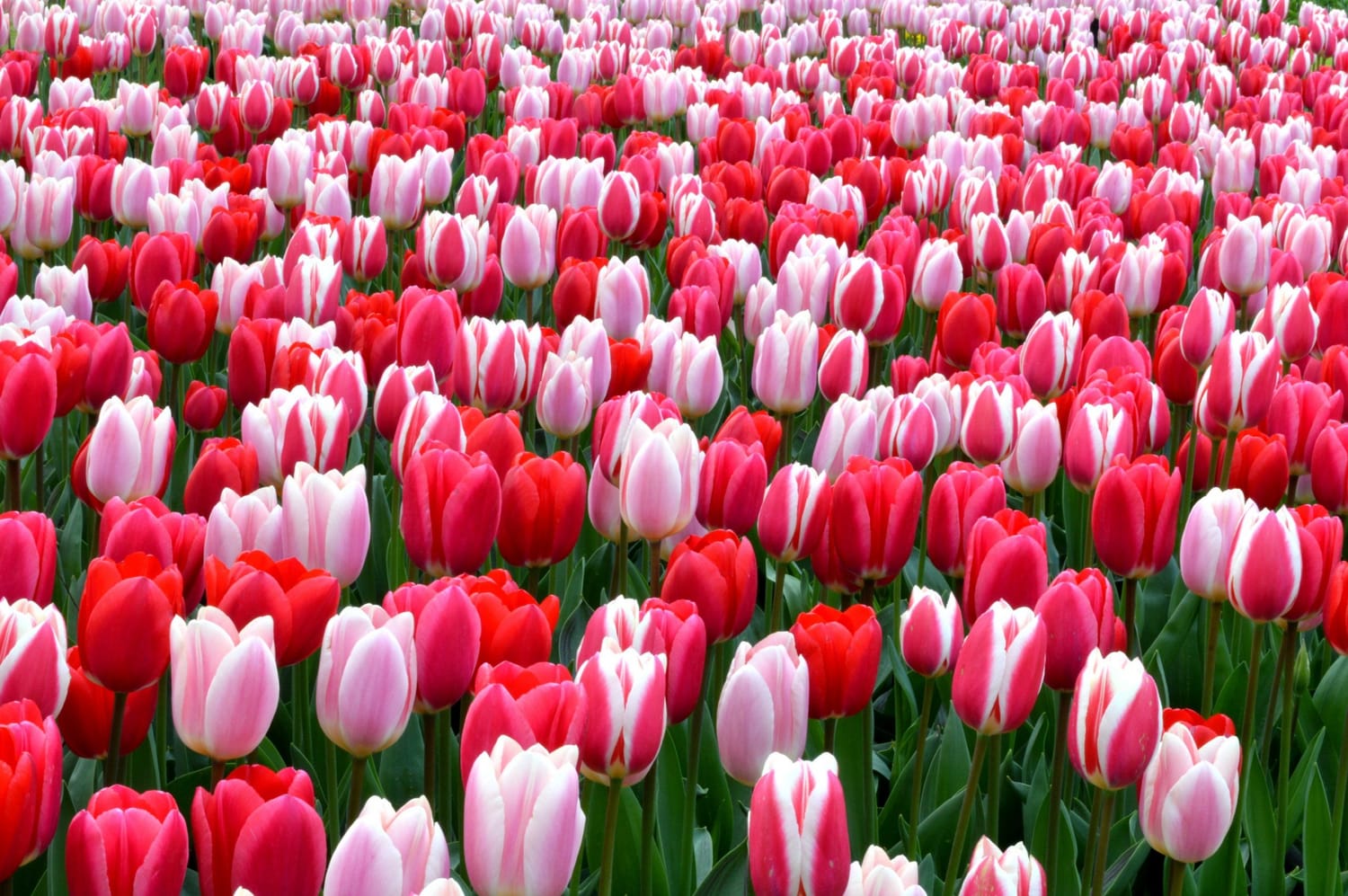
Tulips offer incredible diversity.
They are available in:
almost every color except true blue;
single and double flowers;
fringed petals;
parrot forms;
lily-flowered types;
peony-style blooms.
If variety is your priority, tulips are unmatched.
🏆 Winner: Tulips
For sheer diversity of flower forms and colors, tulips take the lead.
🛒 Recommended fertilizer for magnificent blooms
📦 PRODUCT TIP / AMAZON BOKS: Organic slow-release fertilizer for flower bulbs and perennials. 100% natural fertilizer with a balanced potassium and phosphorus content. Guaranteed strong stems, vibrant colors, and healthy bulbs.
🌼 Ease of Growing
Daffodils are among the easiest bulbs for beginners.
They tolerate a wide range of conditions and usually return reliably every year.
Tulips can also be easy to grow, but some varieties perform best in cooler climates and may need replanting more often.
🏆 Winner: Daffodils
🌼 Longevity
Healthy daffodil bulbs often flower for decades.
Many gradually multiply underground.
Tulips vary considerably.
Some perennial varieties return reliably, while others are treated as annuals in warmer climates.
🏆 Winner: Daffodils
🌼 Flowering Time
Both bloom in spring, but timing differs.
Early Spring
Crocuses
Early daffodils
Early tulips
Mid Spring
Most daffodils
Triumph tulips
Late Spring
Late tulips
Double tulips
Lily-flowered tulips
Combining both extends the flowering season.
🌼 Wildlife Resistance
One of the biggest differences.
Daffodils
Usually ignored by:
deer;
rabbits;
many rodents.
Tulips
Often eaten by:
deer;
rabbits;
squirrels.
🏆 Winner: Daffodils
🌼 Fragrance
Many tulips have little or no fragrance.
Some daffodils produce a pleasant scent, although fragrance varies by variety.
Hyacinths remain the fragrance champions among spring bulbs.
🏆 Slight Advantage: Daffodils
🌼 Maintenance
Daffodils require very little attention after planting.
Tulips sometimes need lifting, replacing, or additional care depending on the variety and climate.
🏆 Winner: Daffodils
🛒 Recommended products
🌼 Best for Containers
Both perform beautifully in pots.
Tulips provide dramatic color.
Daffodils offer excellent reliability.
The ideal solution?
Plant both together.
🏆 Draw
💡 Expert Tip
For stunning spring containers, plant daffodils in the lower layer and tulips slightly above them.
This "lasagna planting" method extends the flowering season and creates fuller displays.
🌼 Best for Naturalizing
Naturalizing means allowing bulbs to multiply naturally over the years.
Daffodils excel at this.
Many tulips gradually decline unless carefully selected.
🏆 Winner: Daffodils
Side-by-Side Comparison
Feature
Easy to Grow
Return Every Year
Deer Resistant
Variety of Colors
Container Growing
Naturalizing
Beginner Friendly
Daffodils
⭐⭐⭐⭐⭐
⭐⭐⭐⭐⭐
⭐⭐⭐⭐⭐
⭐⭐⭐☆
⭐⭐⭐⭐⭐
⭐⭐⭐⭐⭐
⭐⭐⭐⭐⭐
Tulips
⭐⭐⭐⭐☆
⭐⭐⭐☆☆
⭐☆☆☆☆
⭐⭐⭐⭐⭐
⭐⭐⭐⭐⭐
⭐⭐⭐☆
⭐⭐⭐⭐☆
Which Should You Choose?
Choose daffodils if you want:
reliable flowering every year;
minimal maintenance;
bulbs that multiply naturally;
resistance to deer and rabbits.
Choose tulips if you want:
extraordinary colors;
unique flower shapes;
dramatic spring displays;
endless variety.
If possible…
Choose both.
Together they create one of the most spectacular combinations in spring gardening.
Frequently Asked Questions
Which flowers bloom first?
Some early daffodils bloom before many tulips, but flowering times overlap depending on the variety.
Do daffodils last longer than tulips?
Generally, yes.
Individual daffodil flowers often remain attractive for a slightly longer period, and the bulbs themselves usually return more reliably year after year.
Can daffodils and tulips be planted together?
Absolutely.
They share similar planting times and growing conditions, making them ideal companions in borders, containers, and mixed bulb displays.
Which bulbs are better for beginners?
Daffodils are usually the easiest choice because they are forgiving, hardy, and require very little maintenance.
Final Thoughts
Daffodils and tulips are not competitors—they are perfect companions.
Each offers unique beauty and different strengths.
Daffodils bring reliability, longevity, and resilience.
Tulips contribute breathtaking diversity and unforgettable color.
Planting both allows you to enjoy the very best that spring has to offer.
🌼🌷 Garden Academy Tip
The most beautiful spring gardens rarely rely on just one flower.
Combine daffodils, tulips, hyacinths, and crocuses to create layers of color, texture, fragrance,
and bloom times that keep your garden alive for weeks.
Continue Exploring Garden Academy
If you enjoyed this guide, explore our other in-depth gardening resources:
🌼 When to Plant Daffodil Bulbs: Complete Timing Guide
🌼 Growing Daffodils in Pots: Container Gardening Made Easy
🌼 Best Daffodil Varieties for Every Garden
🌼 Daffodils After Flowering: Complete Care Guide
🌼 Common Daffodil Problems and How to Fix Them
🌼🌷 Daffodils vs Tulips: Which Spring Bulb Is Right for You?
🌸🌷 Hyacinths vs Tulips: Differences, Growing Guide and Which Spring Bulb Is Better
Growing Beauty, Everywhere


Growing Beauty, Everywhere
We help you find the best flower bulbs, seeds, and tools — tailored to your region.
Get your free updates & seasonal planting guides:
This website complies with GDPR
(EU General Data Protection Regulation)
Affiliate Disclosure:This site uses affiliate links. If you make a purchase through these links, we may earn a small commission at no additional cost to you. We only recommend products we trust.
Copyright EUFiori © 2026 All rights reserved. Email