Growing Daffodils in Pots: Complete Container Care Guide
🌼 Growing Daffodils in Pots:
Complete Container Gardening Guide
Introduction
Daffodils are one of the easiest spring bulbs to grow in containers.
Whether you have a small balcony, patio, terrace, or simply want to brighten your front entrance, daffodils perform exceptionally well in pots and require very little maintenance.
Container gardening also allows you to enjoy spring flowers even if you don't have a traditional garden.
With the right pot, quality soil, and proper planting techniques, daffodils can produce stunning displays that rival those planted in flower beds.
In this complete guide, you'll learn how to choose the right containers, plant bulbs correctly, care for them throughout the seasons, and enjoy beautiful blooms year after year.
Quick Answer
Daffodils grow very well in containers when planted in autumn using well-drained potting mix and pots with drainage holes. Place bulbs close together, water after planting, and keep containers outdoors during winter so bulbs receive the chilling period needed for spring flowering.
Why Grow Daffodils in Pots?
Container gardening offers several advantages.
Growing daffodils in pots allows you to:
decorate balconies and terraces;
brighten patios and entrances;
move containers into the best display locations;
control soil quality;
reduce weed problems;
combine different spring bulbs in creative arrangements.
Many gardeners also prefer containers because they make seasonal displays easier to refresh each year.
Choosing the Right Pot
The container you choose has a direct impact on bulb health.
Look for pots that are:
at least 25–30 cm (10–12 inches) deep;
wide enough for multiple bulbs;
equipped with drainage holes;
made from frost-resistant materials if left outdoors during winter.
Avoid containers without drainage, as standing water can quickly cause bulbs to rot.
Best Potting Mix
Ordinary garden soil is usually too heavy for containers.
Instead, use a high-quality potting mix that provides:
excellent drainage;
good moisture retention;
plenty of organic matter.
If needed, improve drainage by mixing in coarse sand or perlite.
Healthy roots always begin with healthy soil.
When to Plant Daffodils in Pots
Container-grown daffodils follow the same planting schedule as garden bulbs.
Plant in autumn once temperatures begin cooling.
In most climates this means:
September;
October;
November.
The bulbs need several weeks of cool conditions to establish roots before winter.
🛒 Recommended products
How to Plant Daffodil Bulbs in Containers
Planting daffodils in pots is straightforward.
Step 1
Fill the container about halfway with potting mix.
Step 2
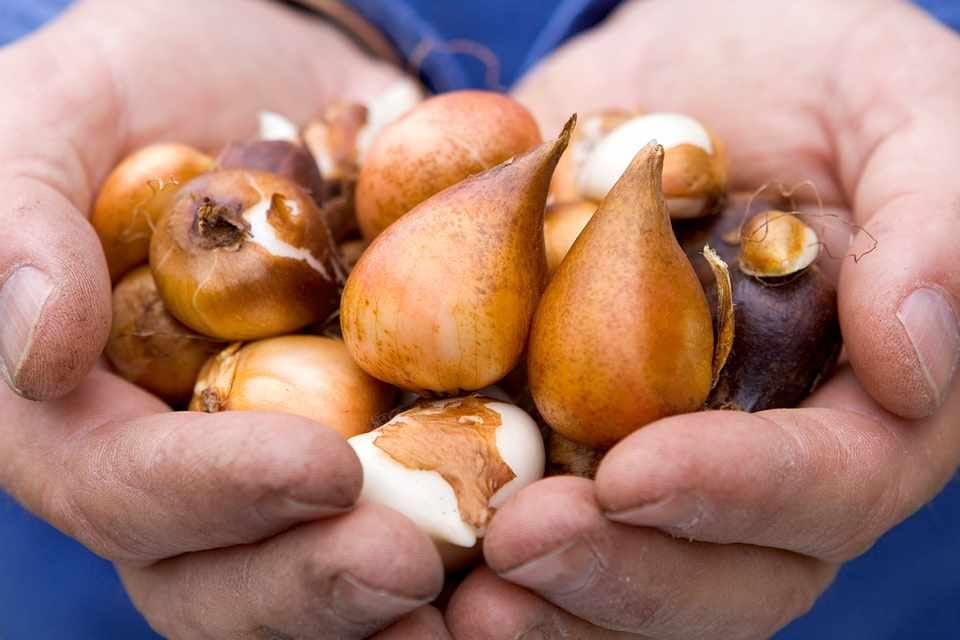
Place bulbs with the pointed end facing upward.
Step 3
Space bulbs approximately 5–8 cm (2–3 inches) apart for a full display.
Unlike garden beds, bulbs can be planted slightly closer together in containers.
Step 4
Cover with soil, leaving enough room for watering.
Step 5
Water thoroughly after planting.
Step 6
Place the container outdoors in a sunny or lightly shaded location.
How Much Sun Do Potted Daffodils Need?
For the best flowering, containers should receive:
at least six hours of sunlight during spring.
Light afternoon shade is acceptable, especially in warmer climates.
Watering Container-Grown Daffodils
Containers dry out more quickly than garden beds.
Keep the soil:
slightly moist after planting;
evenly moist during active growth;
never waterlogged.
Reduce watering once flowering has finished and the foliage begins to yellow.
Feeding Daffodils in Pots
Because nutrients wash out of containers more quickly than garden soil, occasional feeding is beneficial.
Apply a balanced bulb fertilizer:
when shoots appear;
after flowering while leaves remain green.
Avoid excessive nitrogen.
Too much nitrogen encourages leaves rather than flowers.
Best Daffodil Varieties for Containers
Not every variety is equally suited to pots.
Excellent choices include:
🌼 Tête-à-Tête
Compact, cheerful, and ideal for balconies.
🌼 Jetfire
Small but vibrant, with swept-back petals.
🌼 Hawera
Produces multiple delicate flowers on each stem.
🌼 Minnow
A charming miniature variety perfect for small containers.
🌼 Ice Follies
Larger flowers that create elegant spring arrangements.
Combining Daffodils with Other Spring Bulbs
One of the greatest advantages of container gardening is the ability to mix different bulbs.
Beautiful combinations include:
🌼 Daffodils + Purple Hyacinths
A striking contrast of fragrance and color.
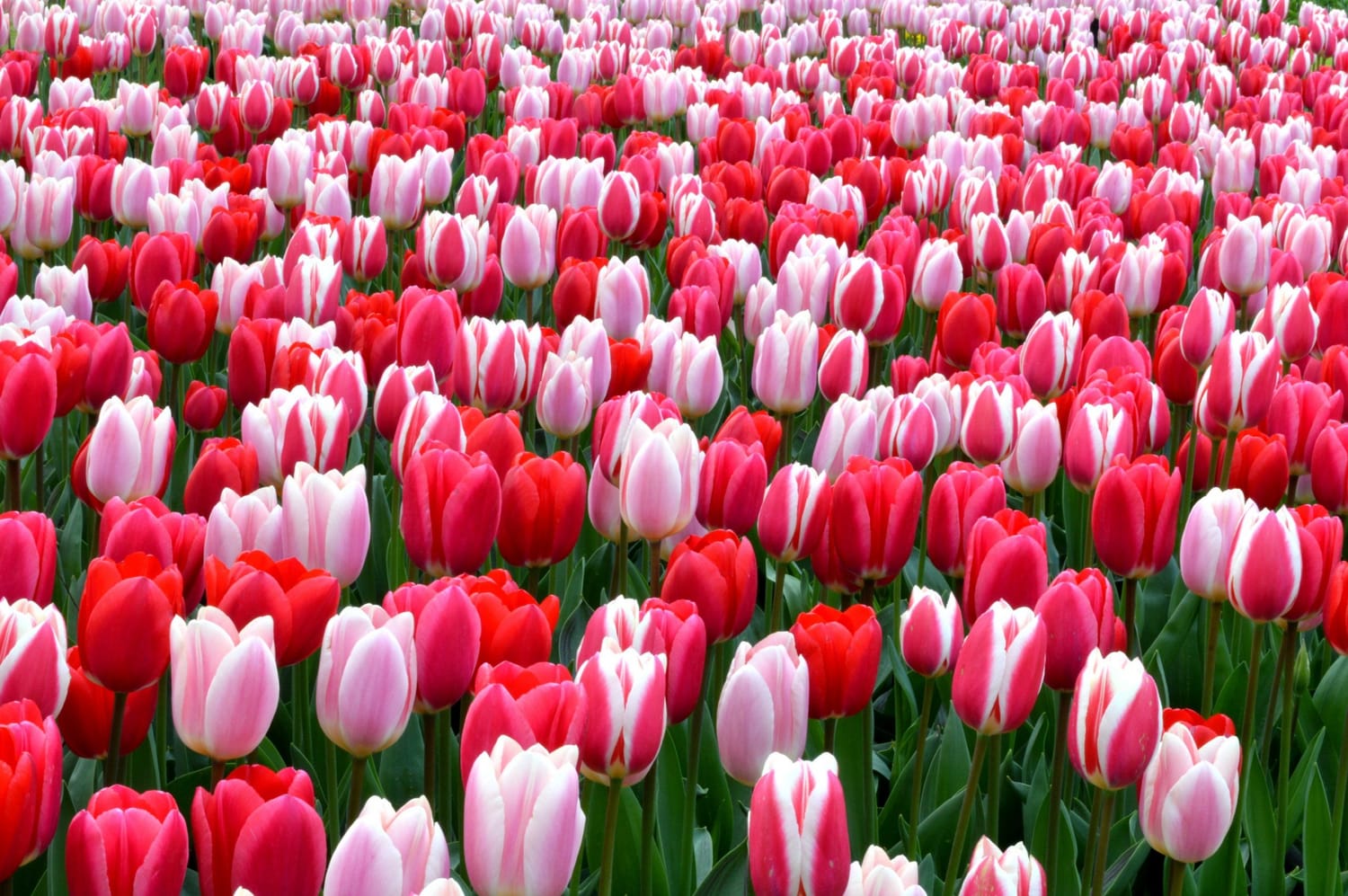
🌼 Daffodils + Tulips
A classic spring display with an extended flowering season.
🌼 Daffodils + Muscari (Grape Hyacinths)
Perfect for cottage gardens and natural-looking containers.
Layering bulbs with different bloom times creates containers that stay attractive for weeks.
🛒 Recommended fertilizer for magnificent blooms
📦 PRODUCT TIP / AMAZON BOKS: Organic slow-release fertilizer for flower bulbs and perennials. 100% natural fertilizer with a balanced potassium and phosphorus content. Guaranteed strong stems, vibrant colors, and healthy bulbs.
What to Do After Flowering
After blooms fade:
remove spent flowers;
keep the foliage intact;
continue watering moderately until leaves yellow naturally.
Do not cut green leaves.
They are rebuilding energy inside the bulb for next year's flowers.
Can Daffodils Stay in Pots All Year?
Yes.
Many gardeners leave bulbs in the same containers for several years.
However, after three or four seasons, bulbs may become crowded.
At that point:
divide the bulbs;
refresh the potting mix;
replant healthy bulbs in autumn.
Common Problems
Container-grown daffodils are generally trouble-free, but you may occasionally notice:
No flowers
Usually caused by overcrowding or insufficient chilling.
Yellow leaves too early
Often linked to watering problems.
Soft bulbs
Usually the result of poor drainage.
Most issues are easy to prevent with proper care.
Frequently Asked Questions
Can daffodils survive winter in pots?
Yes.
Most varieties tolerate winter well, especially when planted in frost-resistant containers with good drainage.
Can I grow daffodils indoors?
Yes, but bulbs require a cold period before flowering.
Many gardeners pre-chill bulbs or purchase pre-cooled bulbs for indoor forcing.
How many bulbs should I plant in one pot?
Plant enough bulbs to create a full display while leaving a small gap between each bulb.
Containers generally look better when planted generously.
Final Thoughts
Growing daffodils in pots is one of the easiest and most rewarding ways to welcome spring.
With only a little preparation in autumn, containers can provide weeks of cheerful blooms that brighten patios, balconies, entrances, and gardens.
Choose healthy bulbs, use well-drained soil, provide enough sunlight, and allow the foliage to mature naturally after flowering.
These simple steps will reward you with reliable spring color year after year.
🌼 Garden Academy Tip
For the longest-lasting spring display, combine early-, mid-, and late-blooming daffodil varieties in the same container—
or try the "lasagna planting" method by layering daffodils, tulips, and grape hyacinths at different depths for continuous blooms throughout the season.
Continue Exploring Daffodil Academy
🌼 When to Plant Daffodil Bulbs: Complete Timing Guide
🌼 Growing Daffodils in Pots: Container Gardening Made Easy
🌼 Best Daffodil Varieties for Every Garden
🌼 Daffodils After Flowering: Complete Care Guide
🌼 Common Daffodil Problems and How to Fix Them
🌼🌷 Daffodils vs Tulips: Which Spring Bulb Is Right for You?
🌸🌷 Hyacinths vs Tulips: Differences, Growing Guide and Which Spring Bulb Is Better
Growing Beauty, Everywhere


Growing Beauty, Everywhere
We help you find the best flower bulbs, seeds, and tools — tailored to your region.
Get your free updates & seasonal planting guides:
This website complies with GDPR
(EU General Data Protection Regulation)
Affiliate Disclosure:This site uses affiliate links. If you make a purchase through these links, we may earn a small commission at no additional cost to you. We only recommend products we trust.
Copyright EUFiori © 2026 All rights reserved. Email