When to Plant Daffodil Bulbs: Fall Timing & Climate Guide
🌼 When to Plant Daffodil Bulbs:
Complete Planting Guide for Every Climate
🍂 September–November: Plant bulbs
❄️ Winter: Root development & dormancy
🌱 Early Spring: Leaves emerge
🌼 Spring: Flowering
🌿 Late Spring: Leaves recharge the bulbs
☀️ Summer: Dormancy
Introduction
Planting daffodil bulbs at the right time is one of the easiest ways to ensure a spectacular display of flowers the following spring.
Although daffodils are among the most reliable spring-flowering bulbs, timing plays a crucial role in helping bulbs establish strong roots before winter arrives.
Plant too early, and warm soil may encourage premature growth.
Plant too late, and bulbs may not develop enough roots to support healthy flowering.
The good news is that daffodils are forgiving plants, and with a little planning, gardeners in most climates can enjoy beautiful blooms year after year.
In this guide, you'll learn exactly when to plant daffodil bulbs, how timing differs around the world, and what to do if you miss the ideal planting window.
Quick Answer
The best time to plant daffodil bulbs is in autumn, when soil temperatures have cooled but before the ground freezes. In most regions, this means planting from September through November. Bulbs need several weeks of cool soil to establish roots before winter dormancy.
Why Planting Time Matters
Unlike seeds, daffodil bulbs already contain everything needed to produce next spring's flowers.
However, before blooming, each bulb must develop a healthy root system.
Autumn provides ideal conditions because:
the soil is still warm enough for root growth;
cooler air temperatures reduce stress;
winter chilling prepares bulbs for flowering;
spring growth begins naturally as temperatures rise.
Bulbs planted at the correct time usually produce stronger stems, healthier foliage, and larger flowers.
Understanding the Daffodil Growth Cycle
Knowing how daffodils grow makes it easier to understand why autumn planting is so important.
Autumn
Roots begin developing beneath the soil.
Winter
Bulbs remain dormant while cold temperatures satisfy their chilling requirement.
Early Spring
Leaves emerge, followed by flower buds.
Spring
Daffodils bloom.
Late Spring
Leaves continue storing energy inside the bulb.
Summer
Bulbs rest underground until autumn begins the cycle again.
Best Planting Time by Region
United States
For most of the United States, plant daffodil bulbs between September and November.
General guideline by USDA Hardiness Zone:
USDA Zone ....... Best Planting Time
Zones 3–4 .......... September
Zones 5–6 .......... Late September to October
Zones 7–8 .......... October to November
Zone 9 ............... November to early December
Gardeners in warmer regions should wait until soil temperatures have cooled before planting.
United Kingdom
The UK's cool autumn climate is ideal for daffodils.
Most gardeners plant bulbs from:
late September;
October;
early November.
Planting before the first hard frost allows bulbs plenty of time to establish roots.
Europe
Across most of Europe, daffodils are planted during autumn.
Northern Europe:
September to October.
Central Europe:
October.
Southern Europe:
Late October to November, depending on temperatures.
🛒 Recommended products
Soil Temperature Is More Important Than the Calendar
Instead of relying only on dates, experienced gardeners pay attention to soil temperature.
The ideal soil temperature for planting daffodils is approximately:
9–13°C (48–55°F).
At this temperature:
roots grow actively;
bulbs remain dormant above ground;
fungal problems are reduced.
Can You Plant Daffodils Too Early?
Yes.
Planting in late summer while the soil is still warm may encourage premature leaf growth.
Early growth is vulnerable to winter damage and may weaken the bulb.
If possible, wait until daytime temperatures begin cooling consistently.
Can You Plant Daffodils Too Late?
Sometimes gardeners discover forgotten bulbs in late autumn or even early winter.
If the ground is still workable and not frozen, plant them anyway.
Late-planted bulbs often survive and flower, although the display may be slightly reduced during the first season.
Planting is almost always better than leaving bulbs in storage until the following year.
How Deep Should Daffodil Bulbs Be Planted?
A simple rule is to plant bulbs at a depth about three times the height of the bulb.
For most garden daffodils, this means:
Depth: 10–15 cm (4–6 inches)
Spacing: 10–15 cm (4–6 inches)
Deeper planting helps protect bulbs from temperature fluctuations and encourages stronger root development.
Choosing the Right Planting Location
Daffodils perform best in areas that provide:
full sun or light partial shade;
fertile, well-drained soil;
protection from standing water.
Avoid low spots where rainwater collects during winter.
Planting Daffodils Step by Step
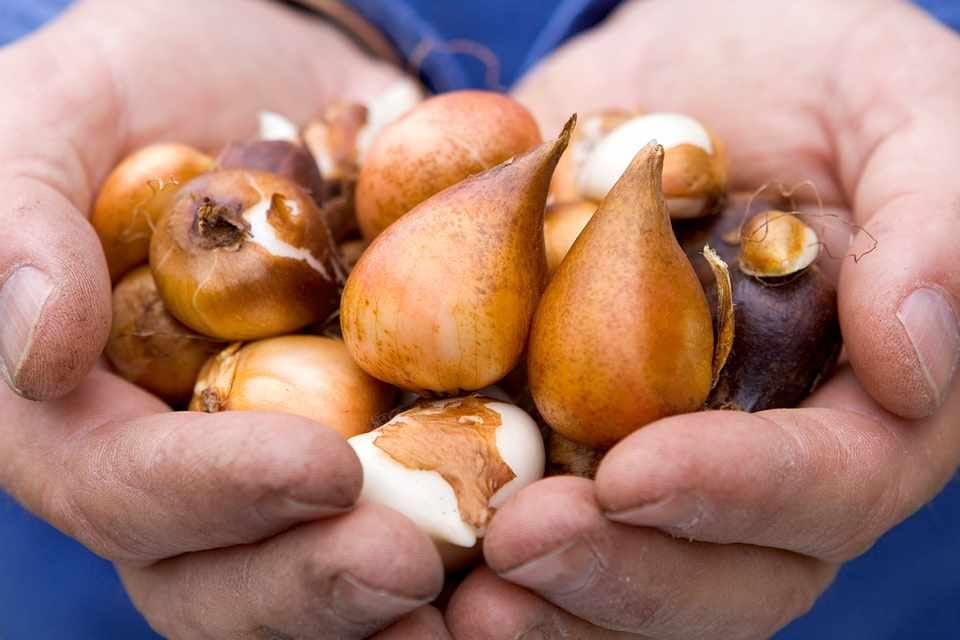
Choose healthy, firm bulbs.
Prepare loose, well-drained soil.
Dig holes approximately three times deeper than the bulb's height.
Place bulbs with the pointed end facing upward.
Space bulbs evenly.
Cover with soil.
Water thoroughly after planting.
Allow nature to do the rest.
🛒 Recommended fertilizer for magnificent blooms
📦 PRODUCT TIP / AMAZON BOKS: Organic slow-release fertilizer for flower bulbs and perennials. 100% natural fertilizer with a balanced potassium and phosphorus content. Guaranteed strong stems, vibrant colors, and healthy bulbs.
Common Planting Mistakes
Avoid these frequent mistakes:
planting bulbs upside down;
placing bulbs too close together;
planting in waterlogged soil;
planting too shallow;
storing bulbs for too long before planting.
Most problems can be prevented simply by choosing healthy bulbs and planting them during autumn.
Can Daffodils Be Planted in Pots?
Absolutely.
Container planting follows the same seasonal schedule as garden planting.
Use pots with drainage holes and a high-quality potting mix.
Plant bulbs slightly closer together than in garden beds for a fuller display.
Frequently Asked Questions
What happens if I plant daffodils in spring?
Spring planting usually produces poor results because bulbs miss the winter chilling period needed for flowering.
Can I plant bulbs after the first frost?
Yes.
As long as the soil is not frozen solid, bulbs can still establish roots.
Do daffodils need cold weather?
Yes.
Most varieties require a period of winter chilling to flower properly.
Should I soak daffodil bulbs before planting?
No.
Healthy bulbs do not need soaking before planting.
Simply plant them into moist, well-drained soil.
Final Thoughts
Planting daffodil bulbs at the right time is one of the simplest steps you can take to enjoy reliable spring flowers.
Autumn planting gives bulbs the opportunity to develop strong roots, survive winter, and produce vibrant blooms as temperatures rise.
Whether you're planting a handful of bulbs in containers or creating a large naturalized display, proper timing lays the foundation for many years of beautiful spring gardens.
🌼 Garden Academy Tip
If you're unsure whether it's too late to plant your daffodil bulbs, remember this simple rule: if the ground isn't frozen, it's usually still worth planting. Healthy bulbs are remarkably resilient and often reward late planting with beautiful blooms.
Continue Exploring Daffodil Academy
If you enjoyed this guide, explore our other in-depth gardening resources:
🌼 How to Grow Daffodils: Complete Guide to Planting, Care, Varieties and Spring Blooming
🌼 Growing Daffodils in Pots: Container Gardening Made Easy
🌼 Best Daffodil Varieties for Every Garden
🌼 Daffodils After Flowering: Complete Care Guide
🌼 Common Daffodil Problems and How to Fix Them
🌼🌷 Daffodils vs Tulips: Which Spring Bulb Is Right for You?
🌸🌷 Hyacinths vs Tulips: Differences, Growing Guide and Which Spring Bulb Is Better
Growing Beauty, Everywhere


Growing Beauty, Everywhere
We help you find the best flower bulbs, seeds, and tools — tailored to your region.
Get your free updates & seasonal planting guides:

This website complies with GDPR
(EU General Data Protection Regulation)
Affiliate Disclosure:This site uses affiliate links. If you make a purchase through these links, we may earn a small commission at no additional cost to you. We only recommend products we trust.
Copyright EUFiori © 2026 All rights reserved. Email