How to Protect Garden & Potted Plants From Frost & Winter Freeze
How to Protect Garden & Potted Plants
From Frost & Winter Freeze
As autumn transitions into winter, freezing temperatures, icy winds, and sudden overnight frosts pose a serious threat to your garden. Freezing moisture expands inside plant cell walls, causing stems to burst, leaves to turn black, and delicate root systems in containers to freeze solid.
Whether you are overwintering potted patio flowers, evergreen shrubs, or delicate perennials, taking proactive winterizing steps is essential to ensure a vibrant bloom when spring arrives.
In this guide, you will learn how frost damages foliage, effective insulation strategies for potted and in-ground plants, and the best physical barriers to protect your landscape from harsh winter weather.
1. Understanding Frost Types & Vulnerable Plants
Not all cold weather affects plants equally. Knowing the difference between light frost and deep freeze determines how much protection your garden requires.
Key Winter Vulnerabilities:
Container Plants: Roots in pots lack the natural insulating mass of ground soil. Sub-zero temperatures penetrate pot walls within hours, freezing delicate feeder roots.
Late Autumn Growth: Fresh, soft stems that have not fully hardened off before winter are the first to suffer severe frost burn.
Broadleaf Evergreens & Subtropicals: Plants like lavender, rosemary, and potted citrus suffer both freeze damage and winter desiccation from freezing winds.
🟢 RECOMMENDED WINTER PLANT PROTECTION COVER
Product Name: Heavy-Duty Horticultural Frost Fleece Blanket / Plant Protection Bags
Why It Works: Breathable non-woven polypropylene fabric allows light and moisture to reach foliage
while raising internal temperatures by 4°F to 8°F, creating a safe microclimate against wind and frost.
Ideal For: Shrubs, potted patio trees, elevated garden beds, and tender perennials.
How to Use: Drape loosely over plants before dusk on frosty nights and anchor edges firmly
to the ground with pegs or heavy rocks.
2. Step-by-Step Winterization Techniques
Protecting plants from winter freeze requires combining physical insulation, correct moisture management, and proper positioning.
Essential Protection Steps:
Mulch Deeply Around Root Zones: Apply a 3–5 inch (8–12 cm) layer of organic mulch, wood chips, or dry leaves around the base of perennial beds to insulate the soil from deep frost penetration.
Group & Elevate Container Pots: Move outdoor pots against a warm wall facing south or east. Elevate them on pot feet to prevent pots from freezing directly to cold stone patios.
Wrap Pot Containers: Wrap terracotta, plastic, and ceramic pots with bubble wrap, jute burlap, or thermal pot jackets to protect root balls from freeze-thaw cycles.
Hydrate Before a Hard Freeze: Moist soil retains heat much better than dry soil. Water plants thoroughly a day before an expected hard frost to insulate root systems.
⚡ RECOMMENDED THERMAL CONTAINER INSULATION
Product Name: Thermal Insulated Plant Pot Jacket / Natural Jute Burlap Roll
Why It Works: Heavy natural jute fiber or insulated foil wrap shields container walls from thermal shock,
preventing ceramic pots from cracking and keeping root balls above freezing point.
Ideal For: Terracotta pots, outdoor olive trees, container roses, and balcony planters.
3. Winter Protection Strategy & Material Comparison
Refer to the summary table below to choose the right winter protection material and strategy for each plant category in your garden:
| Plant Category | Main Winter Risk | Recommended Insulation | Action Plan |
|---|---|---|---|
| Potted Patio Flowers | Root ball freezing & container cracking | Bubble wrap + thermal pot jacket | Move against shelter wall, wrap container, elevate off stone floor |
| Garden Perennials | Soil frost heaving & crown damage | 3-5 inches of organic wood mulch or dry leaves | Cut back dead foliage and cover base heavily before ground freezes |
| Tender Shrubs & Roses | Stem dieback & wind desiccation | Frost fleece jacket or burlap wrap | Mound soil over graft unions and wrap canopy securely with breathable fleece |
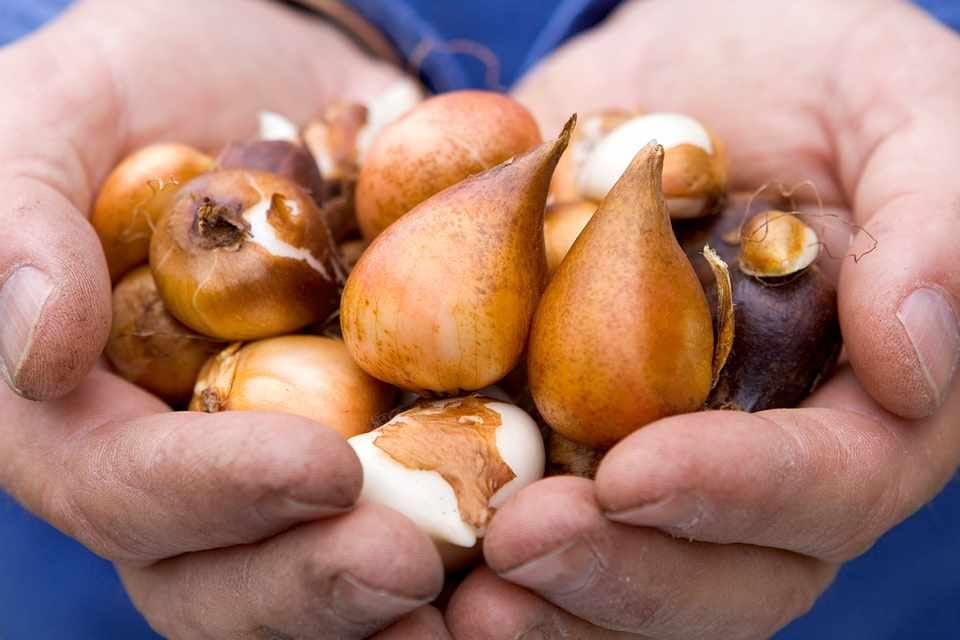
| Spring Bulbs in Beds | Premature sprouting & freeze shock | Pine needle mulch or straw layer | Cover soil bed after first hard frost to stabilize ground temperatures |
Bulb Fertilizer Guide: Best Food for Tulips, Daffodils & Hyacinths
Yellow Leaves on Plants: Causes & Instant Fix for Chlorosis
The 5 Best Soil pH & Moisture Meters for Your Garden
How to Plant, Prune & Care for Columnar & Dwarf Fruit Trees
How to Fix Yellow Lawn & Kill Lawn Weeds Without Ruining Grass
How to Treat Aphids, Black Spot & Blight on Roses & Tomatoes
How to Treat Powdery Mildew & Downy Mildew on Zucchini, Cucumbers & Grapes
How to Get Rid of Moles & Voles in Lawn: Fast & Humane
How to Get Rid of Ants: Lawn, Flower Beds, Pots & Indoors Guide
How to Get Rid of Wasps and Hornets: Nests, Decks & Roofs
How to Get Rid of Slugs in Garden: Stop Snails Eating Plants
Growing Beauty, Everywhere





Growing Beauty, Everywhere
We help you find the best flower bulbs, seeds, and tools — tailored to your region.
Get your free updates & seasonal planting guides:

This website complies with GDPR
(EU General Data Protection Regulation)
Affiliate Disclosure:This site uses affiliate links. If you make a purchase through these links, we may earn a small commission at no additional cost to you. We only recommend products we trust.
Copyright EUFiori © 2026 All rights reserved. Email