Naturalizing Crocuses: How to Plant a Spring Lawn Carpet
💜 Naturalizing Crocuses:
How to Create a Stunning Carpet of Spring Flowers
Introduction
Imagine stepping into your garden on a crisp spring morning and seeing thousands of crocus flowers carpeting the ground in shades of purple, yellow, white, and lavender.
This breathtaking display isn't reserved for famous botanical gardens—it can be achieved in home gardens with thoughtful planning and a little patience.
Crocuses are among the very best spring-flowering bulbs for naturalizing. Unlike annual flowers that need replacing each year, many crocus species multiply naturally over time, gradually forming larger drifts and colorful colonies.
Whether planted beneath deciduous trees, across open lawns, or along woodland paths, naturalized crocuses create one of the most beautiful signs of spring.
In this guide, you'll learn how to establish healthy crocus colonies, encourage natural spreading, and enjoy increasingly spectacular displays year after year.
What Does "Naturalizing" Mean?
Naturalizing is the process of allowing bulbs to establish themselves permanently in the landscape.
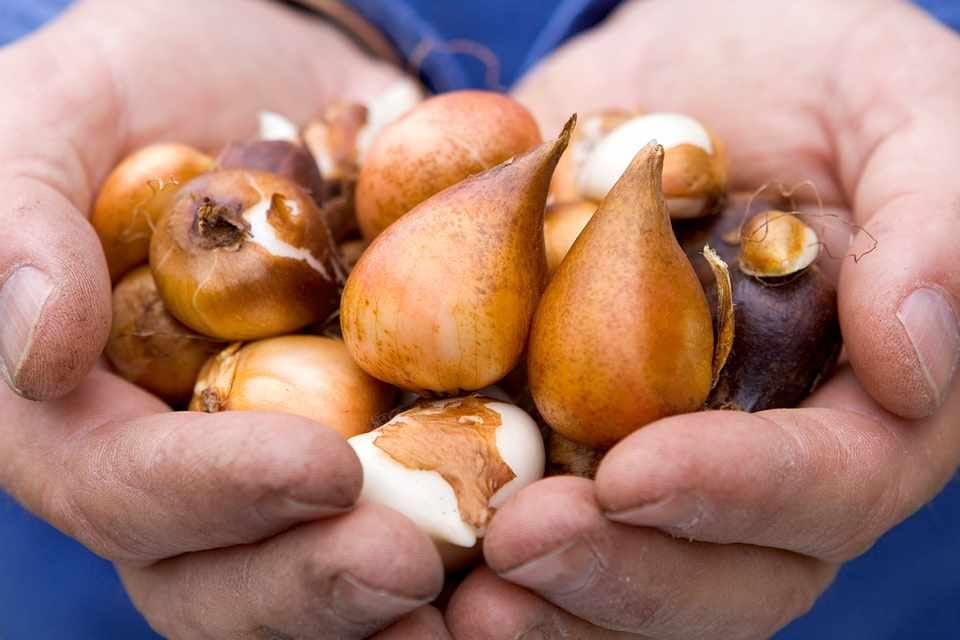
Instead of lifting and replanting them every season, the corms remain in the ground, where they multiply naturally and gradually spread into larger groups.
A successful naturalized planting looks as though nature created it, rather than being carefully arranged by the gardener.
The result is a relaxed, timeless landscape filled with spring color.

Why Crocuses Are Perfect for Naturalizing
Not every spring bulb naturalizes equally well.
Crocuses are especially suited because they:
multiply readily through new corms;
bloom before lawns require regular mowing;
thrive beneath deciduous trees;
tolerate cold winters;
require very little maintenance;
return reliably for many years.
Many gardeners discover that crocuses become even more beautiful with each passing spring.
💡 Expert Tip
Naturalizing takes patience.
The most spectacular crocus displays usually develop over three to five years as the corms multiply and spread naturally.
Best Places to Naturalize Crocuses
Location is one of the biggest factors in long-term success.
Choose areas that receive good sunlight in late winter and early spring.
Excellent locations include:
🌳 Beneath deciduous trees
🌿 Open lawns
🪨 Rock gardens
🌼 Informal flower borders
🌱 Woodland gardens
🚶 Along garden paths
Because trees are still leafless when crocuses bloom, they receive plenty of early-season sunlight before summer shade develops.
Naturalizing Crocuses in Lawns
Perhaps the most iconic way to grow crocuses is directly in the lawn.
As winter ends, colorful flowers emerge through the grass, creating a natural meadow effect.
The key advantage is timing.
Crocuses bloom and begin storing energy before the lawn enters its period of rapid spring growth.
To encourage long-term success:
avoid mowing too early;
allow leaves to yellow naturally;
mow only after the foliage has completely died back.
This simple adjustment allows the corms to recharge for next year's display.
Which Crocus Species Naturalize Best?
Although many crocuses spread naturally, some species are particularly vigorous.
Excellent choices include:
Crocus tommasinianus
One of the finest naturalizing crocuses.
It multiplies readily and forms impressive carpets of lavender flowers over time.
Crocus chrysanthus
Produces cheerful yellow, cream, and blue flowers.
Ideal for sunny lawns and borders.
Crocus vernus
The familiar Dutch crocus.
Its large flowers create bold displays and naturalize well under suitable conditions.
Mixed Plantings
Combining several species extends the flowering season while producing a more natural appearance.
🛒 Recommended fertilizer for magnificent blooms
📦 PRODUCT TIP / AMAZON BOKS: Organic slow-release fertilizer for flower bulbs and perennials. 100% natural fertilizer with a balanced potassium and phosphorus content. Guaranteed strong stems, vibrant colors, and healthy bulbs.
How Many Corms Should You Plant?
The answer surprises many beginners.
Naturalized plantings work best when you start generously.
A few scattered corms rarely create the dramatic effect seen in photographs.
As a general guide:
Area
Small border
Around a young tree
Medium lawn section
Large meadow
Recommended Number of Corms
50–100
75–150
150–300
500+
Remember:
Nature doesn't plant flowers one at a time.
Large drifts always appear more natural than evenly spaced rows.
💡 Garden Academy Tip
Instead of planting corms in perfect circles or straight lines, gently toss handfuls of corms onto the ground and plant them where they land.
This creates irregular drifts that closely resemble natural wildflower colonies.
🐝 Pollinator Corner
Naturalized crocus meadows are more than beautiful—they provide one of the earliest and most valuable food sources for bees emerging after winter. Large drifts of crocuses can support dozens of pollinators on sunny spring days, helping to strengthen local ecosystems while filling your garden with life.
🌼 Did You Know?
Some crocus species can bloom through light snow, making them among the earliest flowering plants in temperate gardens.
How Crocuses Multiply Naturally
One of the reasons crocuses are so popular for naturalizing is their remarkable ability to multiply over time.
Each healthy corm produces flowers during spring and gradually develops small replacement corms, often called corm offsets.
As the years pass, these offsets mature into flowering-sized corms, creating larger and denser colonies without requiring constant replanting.
Some crocus species also spread by seed under favorable conditions, adding even more natural charm to woodland gardens and meadows.
The result is a landscape that becomes more colorful with every passing spring.
Step-by-Step Guide to Naturalizing Crocuses
Creating a natural-looking display is easier than many gardeners expect.
Step 1 – Choose the Right Location
Select an area with:
full sun in late winter and early spring;
well-drained soil;
minimal standing water.
Lawns, woodland edges, and beneath deciduous trees are excellent choices.
Step 2 – Scatter the Corms
Instead of measuring exact spacing, gently toss handfuls of corms across the planting area.
Where each corm lands is where it should be planted.
This simple technique creates irregular drifts that closely resemble nature.
Step 3 – Plant at the Correct Depth
Plant corms approximately 8–10 cm (3–4 inches) deep.
Proper depth protects them from frost and encourages healthy root development.
Step 4 – Water After Planting
Give the area a thorough watering immediately after planting.
Autumn rainfall usually provides enough moisture afterward.
Step 5 – Be Patient
The first spring will already be beautiful.
By the third, fourth, and fifth years, the display often becomes dramatically larger as the corms multiply.
💡 Expert Tip
When planting large areas, work in groups of 25–50 corms at a time instead of individually.
This makes the planting process much faster while producing fuller and more natural-looking drifts.
🛒 Recommended products
Caring for Naturalized Crocuses
One of the greatest advantages of naturalized crocuses is how little maintenance they require.
To keep colonies healthy:
avoid disturbing the soil unnecessarily;
leave the foliage until it naturally yellows;
mow lawns only after the leaves have faded;
avoid excessive fertilization;
maintain good drainage.
With these simple practices, many naturalized plantings thrive for decades.
Designing with Naturalized Crocuses
Naturalized crocuses can transform ordinary landscapes into extraordinary spring gardens.
Some of the most attractive design ideas include:
Beneath Mature Trees
Create broad sweeps of purple, white, and yellow blooms around the trunks of deciduous trees.
As the tree canopy develops in late spring, the crocuses naturally enter dormancy.
Along Curved Garden Paths
Plant irregular drifts beside winding paths.
The flowers soften hard edges and guide visitors naturally through the landscape.
Mixed Spring Meadows
Combine crocuses with:
snowdrops;
grape hyacinths (Muscari);
miniature daffodils;
species tulips.
Different flowering times create weeks of continuous color.
Informal Woodland Gardens
Crocuses thrive among ferns, hellebores, and early woodland perennials, creating a relaxed and natural atmosphere.
Common Naturalizing Mistakes
Avoid these common problems:
❌ Planting too few corms.
❌ Mowing the lawn immediately after flowering.
❌ Choosing poorly drained soil.
❌ Planting in dense evergreen shade.
❌ Frequently digging the planting area.
Naturalized gardens improve with stability, so the less disturbance, the better.
How Long Does Naturalizing Take?
Many gardeners expect instant results.
In reality, naturalizing is a long-term investment.
A typical timeline looks like this:
Year
Year 1
Year 2
Year 3
Year 4–5
Year 6+
What to Expect
Beautiful first flowering from newly planted corms
Slight increase in blooms as corms establish
Noticeable spreading and fuller drifts
Mature colonies with impressive spring displays
Large naturalized carpets requiring minimal care
The patience required is well rewarded by increasingly spectacular displays each spring.
💡 Garden Academy Tip
Think of naturalizing as planting for your future self.
Every autumn you spend adding a few more crocus corms will reward you with richer, fuller displays for many years to come.
🛒 Recommended fertilizer for magnificent blooms
📦 PRODUCT TIP / AMAZON BOKS: Organic slow-release fertilizer for flower bulbs and perennials. 100% natural fertilizer with a balanced potassium and phosphorus content. Guaranteed strong stems, vibrant colors, and healthy bulbs.
🐝 Pollinator Corner
Large naturalized crocus colonies become early-season gathering places for bees, hoverflies, and other beneficial insects. By planting generous drifts instead of isolated flowers, you create a more visible and reliable food source that supports pollinators when nectar is still scarce.
🌍 Garden Inspiration
One thing many of the world's most admired gardens have in common is that they don't rely on perfect symmetry. Instead, they use sweeping drifts of flowers that mimic nature. When crocuses bloom in broad, flowing groups beneath trees or across open lawns, they create scenes that feel effortless, even though they're carefully planned. If you want your garden to feel timeless, think in terms of landscapes rather than individual plants.
🌷 Did You Know?
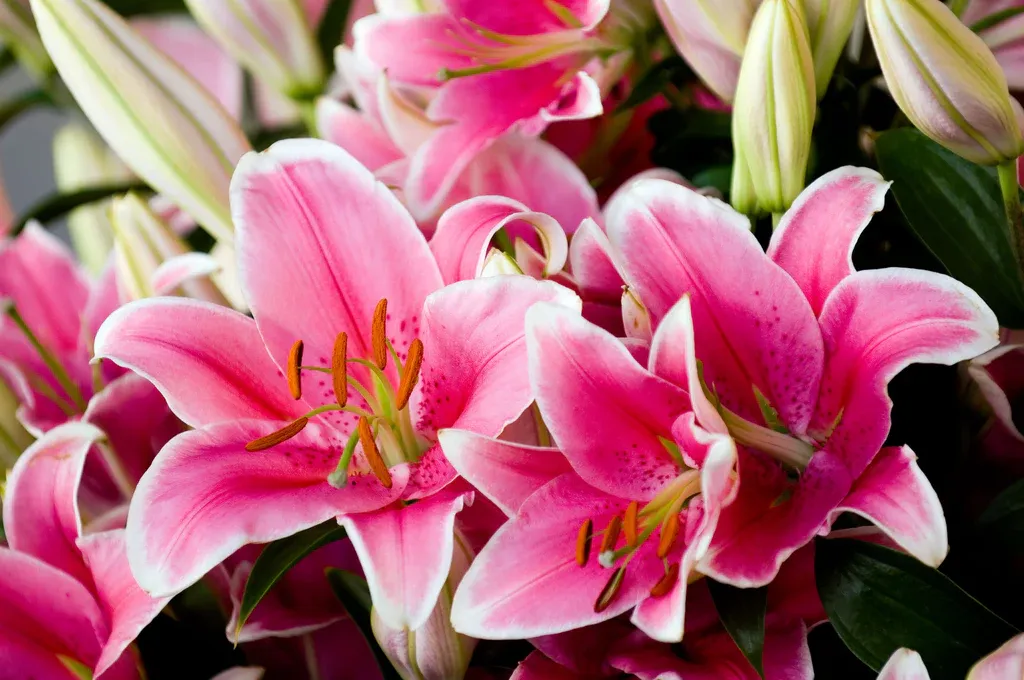
Tulips belong to the lily family (Liliaceae), while crocuses are members of the iris family (Iridaceae).
Best Companion Plants for Naturalized Crocuses
One of the secrets behind breathtaking spring gardens is combining plants with different heights, colors, and flowering times.
Because crocuses bloom so early, they pair beautifully with many other spring-flowering plants.
Excellent companions include:
🌼 Miniature daffodils
🌷 Species tulips
💙 Grape hyacinths (Muscari)
❄️ Snowdrops (Galanthus)
🌸 Primroses
🌿 Hellebores
🌱 Early woodland perennials
As crocus flowers fade, these later-blooming plants gradually take over, keeping the garden attractive throughout spring.
Creating a Natural Color Palette
Nature rarely arranges flowers in perfect blocks of color.
Instead, naturalized gardens look most convincing when colors gently blend together.
Popular combinations include:
💜 Purple and white crocuses for an elegant woodland effect.
💛 Yellow and lavender varieties for cheerful spring borders.
🤍 White crocuses mixed with snowdrops for a soft, early-season display.
🌷 Crocuses followed by tulips and daffodils for continuous waves of bloom.
Choosing harmonious color combinations creates landscapes that feel relaxed and timeless.
Supporting Biodiversity
Naturalized crocuses offer benefits far beyond their beauty.
Large colonies provide:
early nectar for bees;
pollen for emerging insects;
shelter for beneficial wildlife;
seasonal diversity within the garden.
A healthy garden supports not only flowers but also the countless pollinators that depend on them.
Every new drift of crocuses becomes part of a larger, healthier ecosystem.
🌼 Did You Know?
Some crocus flowers open wide in bright sunshine but gently close again during cloudy weather or at night. This natural behavior helps protect their pollen from rain and cold temperatures while conserving energy during unfavorable conditions.
Long-Term Maintenance
Once established, naturalized crocuses require surprisingly little attention.
To keep colonies thriving:
leave foliage until it yellows naturally;
avoid unnecessary digging;
divide overcrowded clumps every five to seven years if flowering declines;
improve drainage if standing water develops;
add a light layer of compost every autumn if soil fertility decreases.
With only minimal care, many naturalized plantings continue improving for decades.
🛒 Recommended products
Frequently Asked Questions
Will crocuses spread on their own?
Yes.
Many species gradually multiply by producing new corms, while some also self-seed under favorable conditions.
How long does it take to create a carpet of crocuses?
Visible improvement usually appears after two or three years.
Large, impressive carpets often develop after five years or more.
Can I naturalize crocuses under trees?
Absolutely.
Deciduous trees are among the best planting locations because sunlight reaches the ground before leaves appear in spring.
Can crocuses naturalize in heavy clay?
They can, but only if drainage is improved.
Adding grit, coarse sand, or organic matter before planting greatly increases long-term success.
Should I fertilize naturalized crocuses every year?
Usually not.
Healthy soil and decomposing organic matter provide sufficient nutrients for most established colonies.

Final Thoughts
Naturalizing crocuses is one of the most rewarding long-term gardening projects.
Unlike annual flowers that must be replanted every season, crocus corms quietly establish themselves beneath the soil, returning each spring with increasing beauty.
What begins as a handful of flowers can gradually become sweeping carpets of color beneath trees, across lawns, and along winding garden paths.
Perhaps the greatest reward is knowing that each passing year brings an even more spectacular display with very little additional effort.
Plant generously, be patient, and allow nature to do much of the work.
The result is a garden that feels alive, timeless, and full of the optimism that only spring can bring.
🐝 Pollinator Corner
Naturalized crocus plantings are miniature ecosystems. On warm spring mornings, you'll often see bees moving from flower to flower, collecting nectar and pollen after the long winter. By allowing crocuses to spread naturally, you're creating a beautiful landscape that also plays an important role in supporting local pollinator populations.
Garden Academy Summary
Naturalizing Crocuses Checklist
✅ Choose sunny, well-drained locations.
✅ Plant generous groups rather than individual corms.
✅ Scatter corms randomly for a natural appearance.
✅ Plant 8–10 cm (3–4 inches) deep.
✅ Water after planting.
✅ Allow foliage to die back naturally.
✅ Delay mowing until leaves have yellowed.
✅ Be patient—naturalized displays improve every year.
🌍 Garden Inspiration
The most memorable spring gardens are not always the largest—they're the ones that make visitors stop for a moment. A winding path edged with naturalized crocuses, a patch of purple flowers glowing beneath an old tree, or a lawn sprinkled with golden blooms can create lasting memories. Sometimes, the simplest plantings leave the strongest impression because they feel as though nature painted them herself.
Growing Beauty, Everywhere




Growing Beauty, Everywhere
We help you find the best flower bulbs, seeds, and tools — tailored to your region.
Get your free updates & seasonal planting guides:

This website complies with GDPR
(EU General Data Protection Regulation)
Affiliate Disclosure:This site uses affiliate links. If you make a purchase through these links, we may earn a small commission at no additional cost to you. We only recommend products we trust.
Copyright EUFiori © 2026 All rights reserved. Email