Are Daffodils Poisonous? Safety Guide for Pets & Children
🌼 Are Daffodils Poisonous?
Safety Guide for Pets, Children and Gardeners
Introduction
Daffodils are among the first flowers to brighten gardens after winter, bringing cheerful colors and a welcome sign that spring has arrived.
While they are admired for their beauty and easy care, many gardeners are surprised to learn that daffodils are also toxic plants.
This doesn't mean you should avoid growing them.
In fact, millions of gardens around the world safely grow daffodils every year.
The key is simply understanding which parts of the plant are poisonous, who may be at risk, and how to handle bulbs safely.
In this guide, we'll explain everything you need to know about daffodil toxicity, including safety for children, dogs, cats, and other animals.
Quick Answer
Yes. Daffodils are poisonous if eaten. All parts of the plant contain natural toxic compounds, with the bulb being the most toxic. Most cases involve mild digestive upset, but larger amounts can cause more serious symptoms. Wearing gloves when handling large numbers of bulbs is also a good idea, especially for people with sensitive skin.
Why Are Daffodils Toxic?
Daffodils contain natural alkaloids, including lycorine, which help protect the plant from insects and animals.
These compounds are one reason deer, rabbits, and many rodents usually avoid eating daffodil bulbs.
The highest concentration is found in the bulb, although leaves, stems, flowers, and sap also contain smaller amounts.
Which Part of the Plant Is Most Poisonous?
All parts contain toxic compounds, but not equally.
From highest to lowest concentration:
Bulbs
Sap
Leaves
Stems
Flowers
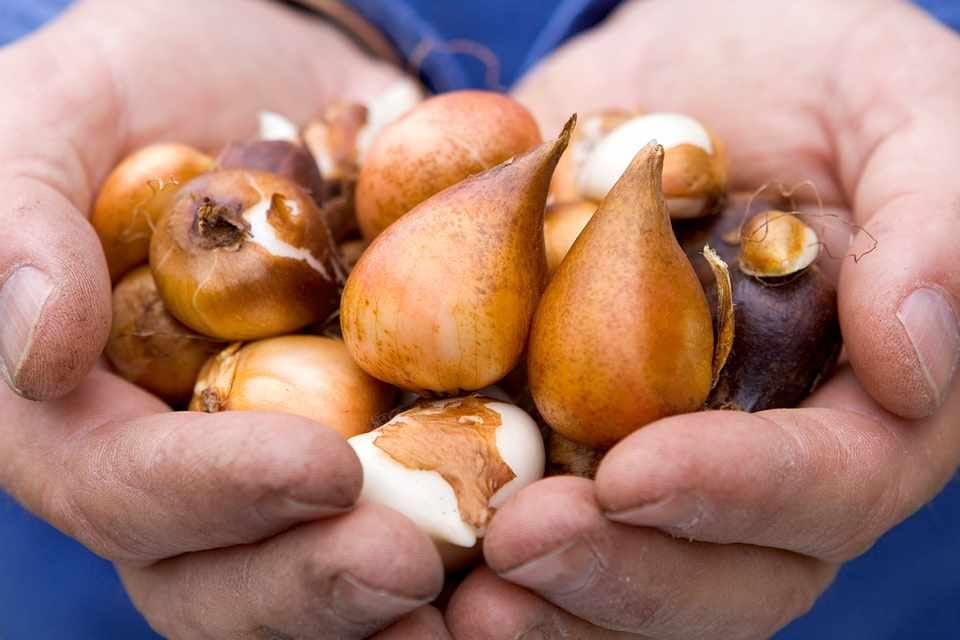
The bulbs are most often mistaken for onions, which is why it's important to label and store them carefully.
💡 Expert Tip
Never store flower bulbs together with onions, garlic, or other edible bulbs.
Keeping them separate helps prevent accidental mix-ups in the kitchen or garden shed.
🛒 Recommended fertilizer for magnificent blooms
📦 PRODUCT TIP / AMAZON BOKS: Organic slow-release fertilizer for flower bulbs and perennials. 100% natural fertilizer with a balanced potassium and phosphorus content. Guaranteed strong stems, vibrant colors, and healthy bulbs.
Are Daffodils Dangerous for Children?
Curious young children sometimes explore gardens by touching or tasting plants.
Fortunately, serious poisoning is uncommon because daffodil bulbs have a bitter taste that discourages eating large amounts.
Parents should still teach children:
never eat flowers or bulbs from the garden;
wash hands after gardening;
tell an adult immediately if they put part of a plant in their mouth.
Adult supervision is always the best protection.
Are Daffodils Poisonous to Dogs?
Yes.
Dogs may occasionally dig up freshly planted bulbs out of curiosity.
If a dog chews or swallows a daffodil bulb, symptoms may include:
vomiting;
diarrhea;
drooling;
stomach discomfort;
tiredness.
The severity depends on the amount eaten and the size of the dog.
Are Daffodils Poisonous to Cats?
Yes.
Cats are generally less interested in chewing bulbs, but they may nibble leaves or flowers.
Possible symptoms include:
vomiting;
drooling;
reduced appetite;
lethargy.
Because cats are smaller than many dogs, even a relatively small amount may cause illness.
Other Animals
Many gardeners wonder about other pets.
Rabbits
Pet rabbits should not be allowed to eat daffodils.
Guinea Pigs and Hamsters
Keep bulbs and cut flowers away from small pets.
Horses
Horses should not graze where large numbers of daffodils are growing.
Chickens
Although chickens rarely choose to eat daffodils, it is best to prevent access to bulbs.
Why Don't Deer Eat Daffodils?
One reason daffodils are so popular is their natural resistance to browsing animals.
Unlike tulips, daffodils are usually ignored by:
deer;
rabbits;
many squirrels.
This makes them an excellent choice for gardens where wildlife regularly damages spring flowers.
Can Touching Daffodils Cause Skin Problems?
For most people, touching daffodils is perfectly safe.
However, gardeners who handle large quantities of bulbs may occasionally develop skin irritation known as "daffodil itch."
Wearing gardening gloves helps prevent irritation, especially during large planting sessions.
Can You Bring Daffodils Indoors?
Absolutely.
Daffodils make excellent cut flowers.
However, freshly cut stems release sap into the vase water.
Many florists recommend conditioning daffodils separately for several hours before combining them with other flowers.
This helps extend the vase life of mixed arrangements.
Safe Gardening Tips
Enjoy daffodils safely by following a few simple precautions:
wear gloves when planting large numbers of bulbs;
wash hands after gardening;
label stored bulbs clearly;
keep bulbs away from food;
supervise young children in the garden;
prevent pets from digging newly planted bulbs.
These simple habits greatly reduce the risk of accidents.
💡 Expert Tip
If you're planting in a garden visited by dogs, consider covering newly planted beds with a light layer
of mulch or temporary mesh until the soil settles. This discourages curious digging without affecting bulb growth.
🛒 Recommended products
Frequently Asked Questions
Are daffodil flowers poisonous?
Yes. The flowers contain toxic compounds, but they are less concentrated than in the bulbs.
Can dogs smell daffodil bulbs underground?
Some dogs can detect freshly disturbed soil rather than the bulbs themselves, which explains why they may dig in newly planted beds.
Why are daffodils considered deer-resistant?
Their natural alkaloids make them unappealing to deer and many other grazing animals.
Should I wear gloves when planting daffodil bulbs?
For most gardeners, gloves are optional, but they are recommended when planting large quantities or if you have sensitive skin.
Final Thoughts
Although daffodils are poisonous if eaten, they remain one of the safest and most rewarding spring bulbs for home gardens when handled responsibly.
Simple precautions—such as storing bulbs correctly, supervising children, and preventing pets from chewing bulbs—are usually all that's needed.
For most gardeners, the benefits far outweigh the risks.
Their beauty, reliability, resistance to deer, and long lifespan continue to make daffodils one of the world's favorite spring flowers.
🌼 Garden Academy Tip
Daffodils' natural toxicity is actually one of their greatest strengths in the garden.
It helps protect them from deer, rabbits, and many other animals, making them one
of the most dependable spring bulbs for landscapes where wildlife is common.
Continue Exploring Daffodil Academy
If you enjoyed this guide, explore our other in-depth gardening resources:
🌼 When to Plant Daffodil Bulbs: Complete Timing Guide
🌼 Growing Daffodils in Pots: Container Gardening Made Easy
🌼 Best Daffodil Varieties for Every Garden
🌼 Daffodils After Flowering: Complete Care Guide
🌼 Common Daffodil Problems and How to Fix Them
🌼🌷 Daffodils vs Tulips: Which Spring Bulb Is Right for You?
🌸🌷 Hyacinths vs Tulips: Differences, Growing Guide and Which Spring Bulb Is Better
Garden Myths & Facts
❌ Myth: Daffodils should be cut back immediately after flowering.
✅ Fact: The leaves should remain until they turn yellow naturally.
❌ Myth: Squirrels love eating daffodil bulbs.
✅ Fact: They usually dig them up while searching for buried nuts, not because they prefer eating them.
❌ Myth: Daffodils only bloom once.
✅ Fact: Healthy bulbs can return and flower for many years.
Growing Beauty, Everywhere



Growing Beauty, Everywhere
We help you find the best flower bulbs, seeds, and tools — tailored to your region.
Get your free updates & seasonal planting guides:
This website complies with GDPR
(EU General Data Protection Regulation)
Affiliate Disclosure:This site uses affiliate links. If you make a purchase through these links, we may earn a small commission at no additional cost to you. We only recommend products we trust.
Copyright EUFiori © 2026 All rights reserved. Email