How to Create Continuous Bloom: Spring Garden Design Guide
How to Create Continuous Bloom: Designing a Spring Garden That Flowers for Months
Part 1 – The Secret Behind Gardens That Always Look Beautiful
Introduction
Have you ever visited a garden that seemed to be in perfect bloom no matter when you arrived?
The secret wasn't luck.
It was careful planning.
One of the most important principles of successful garden design is creating continuous bloom—a planting strategy that ensures different flowers bloom one after another instead of all at once.
Rather than enjoying two spectacular weeks of color followed by months of green foliage, you can design a garden that changes gradually from late winter into early summer.
For spring bulbs, continuous bloom is one of the simplest ways to create a landscape that always feels fresh and full of life.
What Is Continuous Bloom?
Continuous bloom means selecting plants with different flowering periods so that as one flower fades, another begins to open.
Instead of one short display, your garden becomes a sequence of seasonal highlights.
This approach creates movement, variety, and anticipation throughout the spring.
Every week brings something new to discover.
🛒 Recommended fertilizer for magnificent blooms
📦 PRODUCT TIP / AMAZON BOKS: Organic slow-release fertilizer for flower bulbs and perennials. 100% natural fertilizer with a balanced potassium and phosphorus content. Guaranteed strong stems, vibrant colors, and healthy bulbs.
🌼 Why It Matters
A garden that flowers continuously offers many benefits:
More weeks of color.
Better support for pollinators.
Greater visual interest.
More opportunities for photography.
A landscape that always feels alive.
Instead of waiting all year for one spectacular moment, you'll enjoy many smaller moments spread across the season.
Understanding Bloom Times
Most spring bulbs fall into three general flowering periods.
❄️ Early Spring
The first flowers appear while winter is still ending.
Examples include:
🤍 Snowdrops
💜 Crocuses
🌼 Early dwarf daffodils
🌷 Mid Spring
This is often the most colorful period.
Examples include:
🌸 Hyacinths
🌼 Standard daffodils
🌷 Early tulips
💙 Muscari
☀️ Late Spring
As temperatures rise, taller flowers take over.
Examples include:
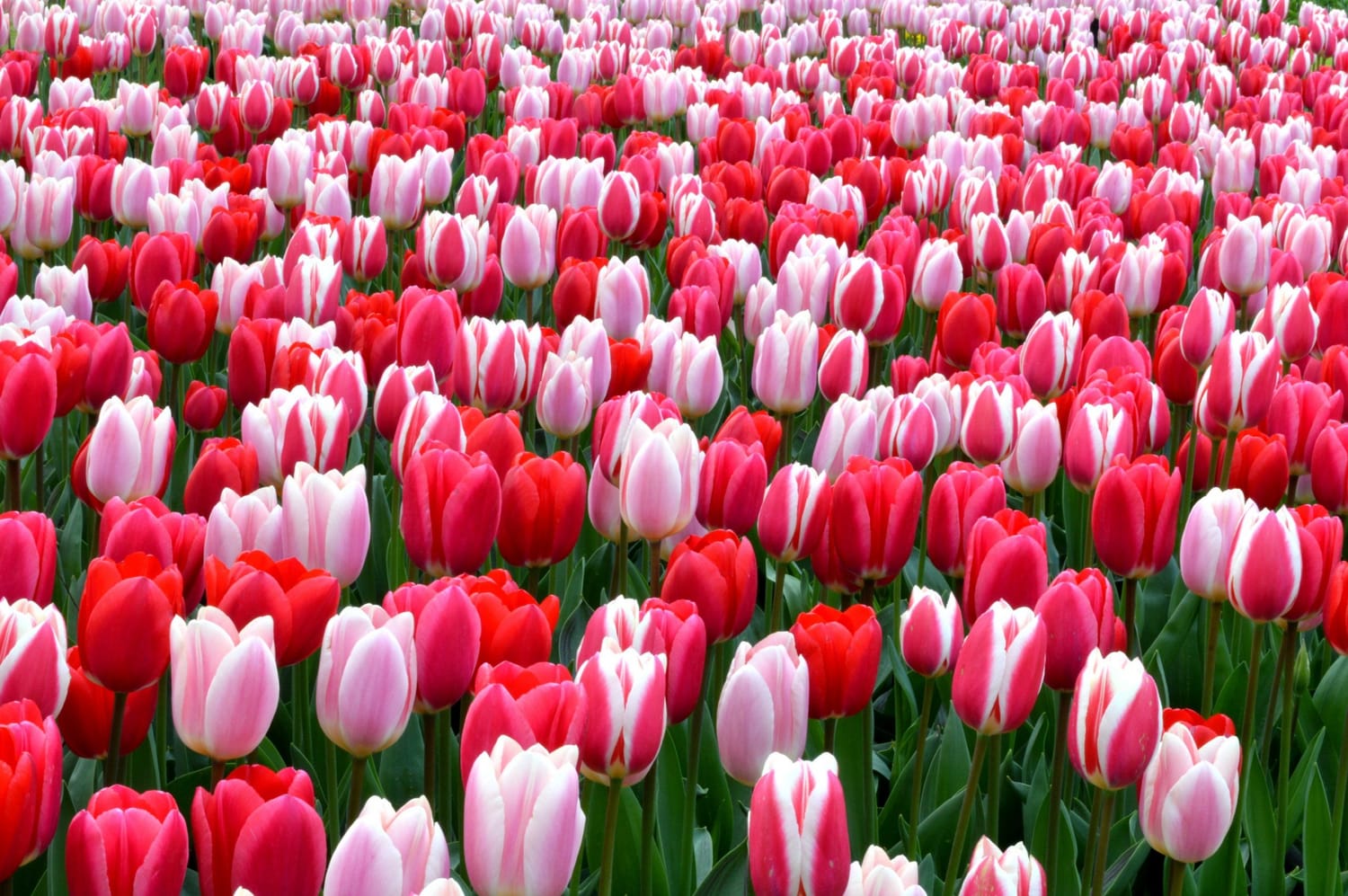
🌷 Late tulips
🟣 Alliums
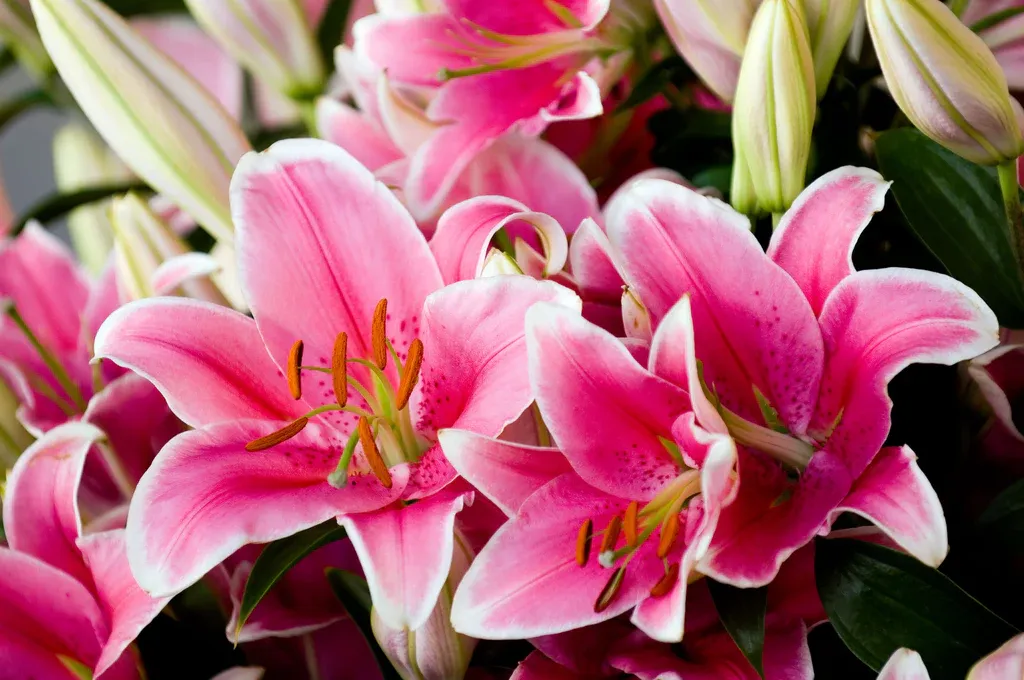
🤍 Lilies (early summer transition)
Together, these stages create a garden that evolves naturally over several months.
Think Like a Garden Designer
Professional designers rarely ask:
"Which flower is the prettiest?"
Instead, they ask:
"What flowers will come next?"
That simple change in thinking transforms an ordinary flower bed into a landscape with rhythm and seasonal flow.
Planning Before Planting
Before ordering bulbs, sketch a simple bloom calendar.
List each variety and note:
When it flowers.
Its height.
Flower color.
Preferred growing conditions.
Even a basic plan helps prevent gaps between flowering periods.
🌼 Did You Know?
Many award-winning gardens rely on bloom calendars rather than planting by color alone. Timing is just as important as appearance when creating a memorable landscape.
🎨 Designer Notes
A beautiful garden isn't one where everything blooms together—it's one where the display never truly ends. The goal is not maximum impact on a single day, but a graceful progression that rewards every visit throughout the season.
💡 Expert Tip
When buying bulbs, always check whether the variety is described as early, mid-season, or late flowering. Mixing all three groups is one of the easiest ways to extend your display by several weeks.
🐝 Pollinator Corner
Continuous bloom doesn't just benefit gardeners—it also provides a steady source of nectar and pollen for bees and other pollinators emerging at different times throughout spring.
🌿 Coming Up in Part 2
We'll explore:
Building a bloom calendar
Layering flowering times
Combining bulbs with perennials
Avoiding seasonal gaps
Design examples
Common planning mistakes
🌍 Garden Inspiration
Imagine looking out over your garden each week of spring and noticing something new. Snowdrops give way to crocuses, fragrant hyacinths follow cheerful daffodils, elegant tulips take center stage, and graceful alliums carry the display into early summer. Instead of one brief burst of beauty, your garden tells a story that unfolds chapter by chapter with every passing week.
🛒 Recommended products
How to Create Continuous Bloom: Designing a Spring Garden That Flowers for Months
Part 2 – Planning Bloom Sequences Like a Garden Designer
Building Your Bloom Calendar
One of the simplest planning tools is a seasonal bloom calendar.
Rather than focusing on where each bulb will grow, begin by asking when each one will flower.
A simple timeline makes it much easier to spot gaps before planting begins.
For example:
Season
Late Winter
Early Spring
Mid Spring
Late Spring
Early Summer
Main Bulbs
Snowdrops, Crocuses
Crocuses, Muscari, Early Daffodils
Hyacinths, Standard Daffodils, Early Tulips
Mid and Late Tulips, Alliums
Lilies
This simple sequence creates a display that lasts far longer than planting a single flower type.
Layering Bloom Times
Continuous bloom is created through overlapping flowering periods.
Imagine each flower passing the spotlight to the next.
Instead of:
Snowdrops
↓
Nothing
↓
Tulips
Aim for:
Snowdrops
↓
Crocuses
↓
Hyacinths
↓
Daffodils
↓
Tulips
↓
Alliums
↓
Lilies
There is always something beginning as another flower finishes.
Combine Bulbs with Perennials
Perennials help maintain interest once bulb flowers fade.
Excellent companions include:
🌿 Hostas
🌿 Heucheras
🌿 Ferns
🌿 Lady's Mantle
🌿 Catmint
🌿 Hardy Geraniums
As bulb foliage naturally dies back, these plants fill the empty spaces with fresh leaves and summer flowers.
Design in Repeating Waves
Professional gardens rarely place one flower in a single location.
Instead, they repeat combinations throughout the landscape.
For example:
🌷 Tulips
🌼 Daffodils
💙 Muscari
Repeat this grouping several times.
Repeating familiar planting combinations creates rhythm and guides the eye naturally through the garden.
Creating Smooth Transitions
A beautiful spring garden feels connected rather than divided.
Instead of separating flower beds by species, allow different bulbs to overlap slightly.
For example:
Crocuses flowing into daffodils.
Daffodils blending into tulips.
Tulips gradually giving way to alliums.
This creates soft seasonal transitions instead of abrupt changes.
Common Planning Mistakes
Avoid these frequent errors:
❌ Buying every bulb that looks attractive.
❌ Planting everything at the same flowering time.
❌ Ignoring mature plant height.
❌ Forgetting summer foliage.
❌ Leaving large empty gaps between bloom periods.
Thoughtful planning almost always produces better gardens than impulse planting.
🌼 Did You Know?
Some public gardens begin planning their spring bulb displays more than a year in advance, carefully selecting varieties with overlapping bloom periods to keep the landscape attractive for as long as possible.
🎨 Designer Notes
Think of your garden as an orchestra rather than a solo performance. Every plant has its moment, but the real beauty comes from how each one follows the next. Continuous bloom creates harmony by allowing different flowers to share the season instead of competing for attention
💡 Expert Tip
When shopping for bulbs, write the expected flowering period directly on the package or planting plan. This makes it much easier to organize your garden before a single bulb goes into the ground.
🐝 Pollinator Corner
A succession of flowering bulbs provides pollinators with a dependable food source throughout spring. Gardens with continuous bloom support a greater diversity of bees, butterflies, and other beneficial insects than gardens that flower only briefly.
🌿 Coming Up in Part 3
We'll cover:
Ready-made bloom plans
Shopping Checklist
FAQs
Garden Design Summary
Final Thoughts
🌍 Garden Inspiration
The most memorable gardens don't reveal everything at once. Week after week, fresh flowers emerge while earlier blooms quietly fade into the background. This constant sense of renewal is what makes a continuously blooming garden feel alive throughout the entire season.
🛒 Recommended fertilizer for magnificent blooms
📦 PRODUCT TIP / AMAZON BOKS: Organic slow-release fertilizer for flower bulbs and perennials. 100% natural fertilizer with a balanced potassium and phosphorus content. Guaranteed strong stems, vibrant colors, and healthy bulbs.
How to Create Continuous Bloom: Designing a Spring Garden That Flowers for Months
Part 3 – Bloom Plans, Practical Tips and Long-Term Success
Example Bloom Plans
Here are a few simple combinations that keep spring color going for months.
🌷 Classic Spring Border
Late Winter
🤍 Snowdrops
↓
Early Spring
💜 Crocuses
↓
Mid Spring
🌼 Daffodils
🌸 Hyacinths
↓
Late Spring
🌷 Tulips
↓
Early Summer
🟣 Alliums
🤍 Lilies
🏡 Small Garden
Choose compact varieties that bloom one after another.
Start with crocuses.
Continue with miniature daffodils.
Finish with botanical tulips and dwarf alliums.
A small space can still provide a surprisingly long flowering season.
🪴 Container Display
Plant containers with different flowering schedules.
Early container:
💜 Crocuses
Middle container:
🌸 Hyacinths
🌼 Daffodils
Late container:
🌷 Tulips
🟣 Alliums
Move containers into prominent positions as each reaches peak bloom.
🌳 Woodland Garden
Naturalized drifts of:
🤍 Snowdrops
💜 Crocuses
🌼 Daffodils
🌷 Botanical Tulips
Blend beautifully beneath deciduous trees and return year after year.
🌼 Did You Know?
Gardens designed for continuous bloom often appear larger than they really are because there is always a new focal point attracting the eye as the seasons progress.
🌿 Companion Plants
🛠️ Garden Supplies
Who Is This Design Principle For?
Perfect for:
✅ Beginner gardeners
✅ Cottage gardens
✅ Formal landscapes
✅ Small gardens
✅ Large gardens
✅ Container gardeners
✅ Pollinator-friendly gardens
✅ Anyone who wants more weeks of spring flowers
Frequently Asked Questions
Can I achieve continuous bloom in a small garden?
Yes. Even a few carefully chosen bulb varieties with different flowering times can extend the season significantly.
Do I need many different flowers?
Not necessarily. Choosing early, mid-season, and late varieties of the same type of bulb can also create continuous bloom.
Will overlapping bloom periods make the garden look crowded?
No. When plants are spaced correctly, overlapping flowering times create a richer and more natural display.
Should I include summer plants?
Yes. Perennials and ornamental grasses help maintain structure after bulb foliage fades.
Garden Design Summary
Creating Continuous Bloom
✅ Mix early, mid-season, and late-flowering bulbs.
✅ Plan flowering times before planting.
✅ Repeat planting combinations throughout the garden.
✅ Add companion perennials.
✅ Avoid seasonal gaps.
✅ Think about the entire season, not just one month.
🌿 Garden Design Tip
Great gardens are remembered not because they bloom all at once, but because they always offer something new. Designing for continuous bloom transforms a collection of flowers into a living calendar of the seasons, where each plant plays its part at exactly the right time.
Final Thoughts
A garden that blooms continuously is more than a beautiful landscape—it is a changing experience that unfolds week by week.
By selecting bulbs with different flowering periods, repeating harmonious planting combinations, and supporting them with carefully chosen companion plants, you create a spring garden that never feels finished. Instead, it evolves naturally, offering fresh colors, new textures, and new moments of discovery throughout the season.
The secret to a memorable garden is not having more flowers.
It is making every flower arrive at exactly the right moment.
🌍 Garden Inspiration
Imagine standing at your garden gate in late February as the first snowdrops emerge. A few weeks later, carpets of crocuses appear beneath still-bare trees. Soon, fragrant hyacinths and cheerful daffodils fill the air with color and scent, followed by graceful tulips that sway gently in the spring breeze. As their blooms begin to fade, elegant alliums rise above the borders, and finally, magnificent lilies welcome the first days of summer. The garden never pauses—it simply turns one beautiful page after another, telling the story of spring from its first whisper to its final bloom.
Growing Beauty, Everywhere


Growing Beauty, Everywhere
We help you find the best flower bulbs, seeds, and tools — tailored to your region.
Get your free updates & seasonal planting guides:
This website complies with GDPR
(EU General Data Protection Regulation)
Affiliate Disclosure:This site uses affiliate links. If you make a purchase through these links, we may earn a small commission at no additional cost to you. We only recommend products we trust.
Copyright EUFiori © 2026 All rights reserved. Email